The bells are ringing, the rabbits are frolicking, and the scent of flowers fills the air.
It’s undeniable, Easter has arrived, bringing with it an atmosphere of celebration and indulgence. And what better time than now to dive into the magical world of wine and chocolate?
As we explore these two realms, chocolate and wine reveal astonishing similarities. Could this be the secret to their harmony?
So today, we invite you to join us in exploring two arts that are as fascinating as they are perplexing: oenology and chocolateology.
1- Chocolateology?
You might smile upon hearing this term, but it is very real… or almost! The concept was created by Victoire Finaz, a Chocologist® (registered trademark)!
Chocologist, chocolateology… Do these words sound familiar? Indeed, they strongly evoke terms used in the world of wine: oenologist and oenology. Victoire Finaz defines chocolateology as the discipline that explores and understands chocolate, from cocoa cultivation to the art of tasting.
We cannot overlook the parallels with the world of wine, where all these concepts are just as essential as they are fundamental.
2- The origin: at the root of humanity
The similarities between the history of wine and that of chocolate are both abundant and captivating, tracing their roots deep into the ancient history of humanity. Their artisanal processes are closely tied to traditions and expertise passed down through generations.
Firstly, wine, derived from fermented and pressed grape fruit, appears to date back to antiquity in the Caucasus region and the Near East. Wine played a central role in many ancient civilizations, from ancient Egypt to Greece and Rome, where it was associated with religion, culture, and medicine. The Greeks linked it to Dionysus, the god of the vine and festivity, while the Romans associated it with Bacchus, the god of wine, intoxication, and nature.
Similarly, chocolate, made from fermented, roasted, and ground cacao beans, also has an ancient history. It was first consumed by ancient Mesoamerican civilizations over 4,000 years ago, where cacao was cultivated and used in ritual and ceremonial beverages, attributing sacred and medicinal properties to this commodity. The Aztecs associated chocolate with Xochiquetzal, the goddess of fertility, while the Maya also linked it to their own fertility deity.
Moreover, both wine and chocolate have been associated with religious rituals, festive celebrations, and symbols of social status throughout history. Their production and trade have also influenced economic and political relations between nations, leading to cultural and commercial exchanges around the world.
In summary, the history of wine and chocolate is rich in similarities, reflecting the cultural, social, and economic significance of these two products in the history of humanity.
3- Chocolate and wine: the quest for perfect harmony
The delicate balance of chocolate, between bitterness and sweetness, also finds a resonance in oenology.
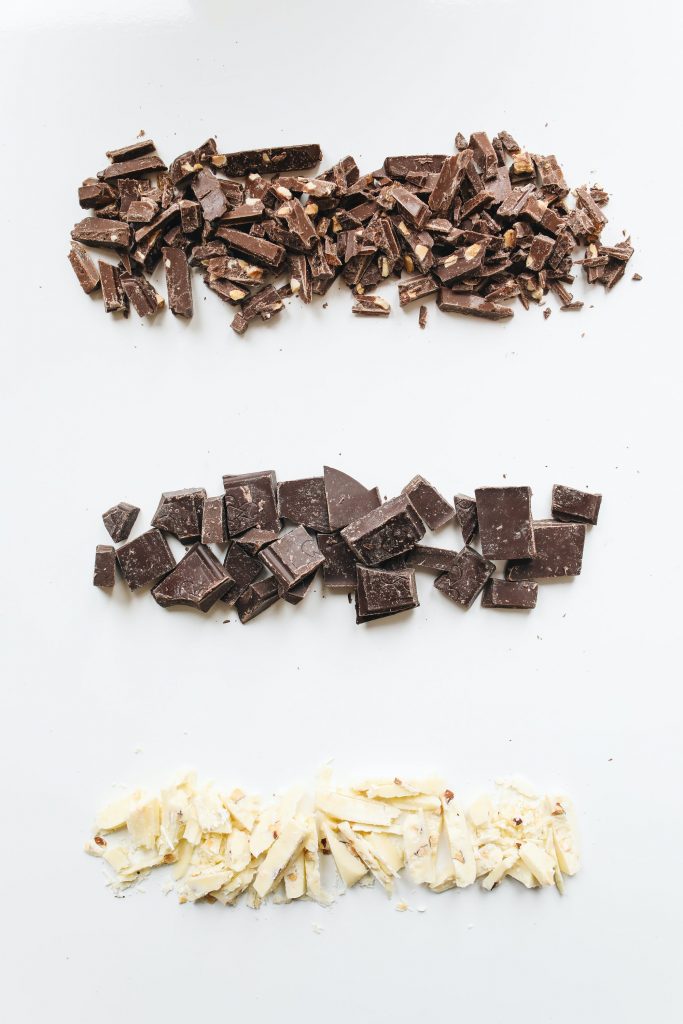
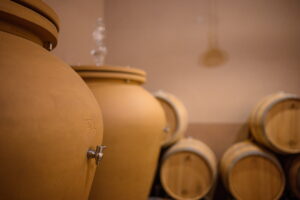
This quest for perfect harmony is the result of several common factors, such as the presence of tannins, which can be found in cacao beans for chocolate and in the skins and seeds for wine. Moreover, in both cases, the role of terroir is crucial in shaping the aromas and flavors of the final product: provenance, ripeness, climate, altitude, and soil richness define the unique and distinct characteristics of each product. The aging of wine in oak barrels and the roasting of cacao contribute to the development of aromas; although the techniques differ, the underlying concept remains similar.
4- Tasting: a comparable ritual
Just like wine, the tasting of chocolate is of crucial importance. The visual analysis begins with observing its color, intensity, hue, and shine. These elements provide the first clues about the quality and characteristics of the product.
The nose and palate open to the discovery of aromas from both chocolate and wine, allowing for the evaluation of comparable criteria such as attack, balance, and finish.
The vocabulary used during tasting also shows striking similarities: floral, vegetal, earthy, spicy, woody, fruity.
Chocolate has always managed to find and captivate its audience, with tasting events organized around the globe. During these occasions, participants have the opportunity to explore a variety of different chocolates, discover various production methods, and immerse themselves in the history of chocolate houses and cacao-producing regions. Additionally, these gatherings allow enthusiasts to explore a multitude of bold pairings, each flavor combination more innovative than the last. Once again, this evokes a sense of wine, doesn’t it?
5- The art of pairing: an obvious affinity
The pairing of wine and chocolate is not a matter of chance, but rather the result of their notable affinities, both in tasting and in creation. These two culinary arts share common characteristics that make their pairings quite evident.
With Easter just around the corner, isn’t that good news? Let us guide you on how to perfectly pair your chocolates for Easter this year!
Dark chocolate
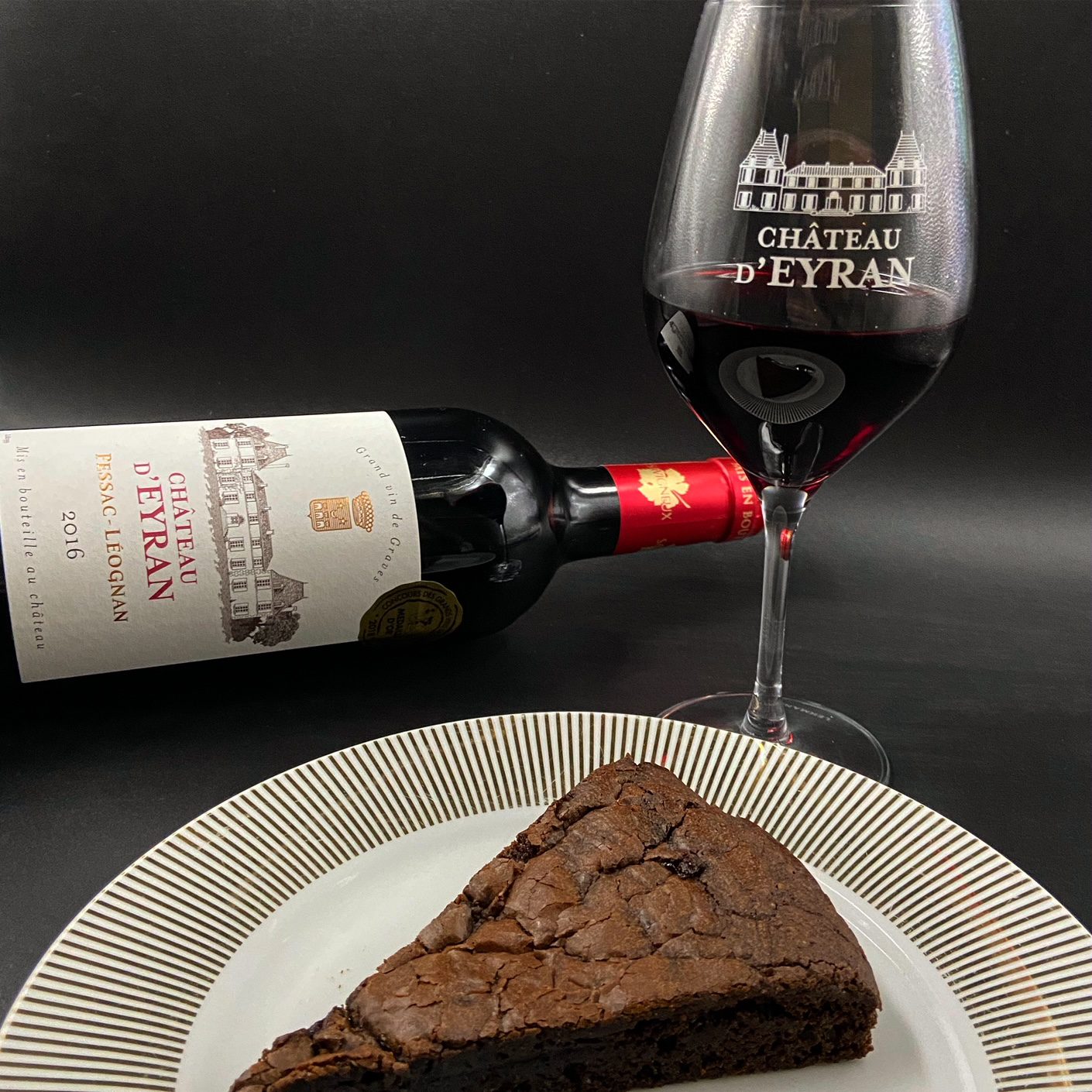
Dark chocolate pairs perfectly with tannic, rich, and fruity wines. Three ideas come to mind immediately: an elegant and fruity red wine like a Château d’Eyran 2016, slightly evolved but not too much, for a refined pairing. For the more adventurous, a fortified wine like Pineau des Charentes or Banyuls can balance the bitterness and add power. Finally, for those seeking sweetness and comfort, why not balance the chocolate with a dessert wine, such as a good Sauternes or Monbazillac?
Of course, while we’re focusing on wine and chocolate today, we shouldn’t forget about spirits like whisky, cognac, or rum, which also offer truly wonderful pairings.
Milk Chocolate
For milk chocolate lovers, which is often less pronounced in flavor, feel free to opt for lighter, more indulgent wines. Within our selection, we recommend our Château Bastian Réserve, a very balanced and fruity wine. However, you might also be tempted by a Crémant de Bourgogne, offering a festive yet subtle experience!
White Chocolate
And let’s not forget famous white chocolate. Naturally sweeter and richer than dark chocolate, it’s essential to balance this for a perfect pairing! Why not choose a dry and fruity white wine, such as a Château d’Eyran white or an Alsace Riesling?
Finally, our last piece of advice: Experiment! Don’t limit yourself to strict rules. The chocolate-wine pairing is also a matter of personal preference. Feel free to test and discover what works best for your palate, and most importantly, share your findings! We can’t wait to hear your suggestions!
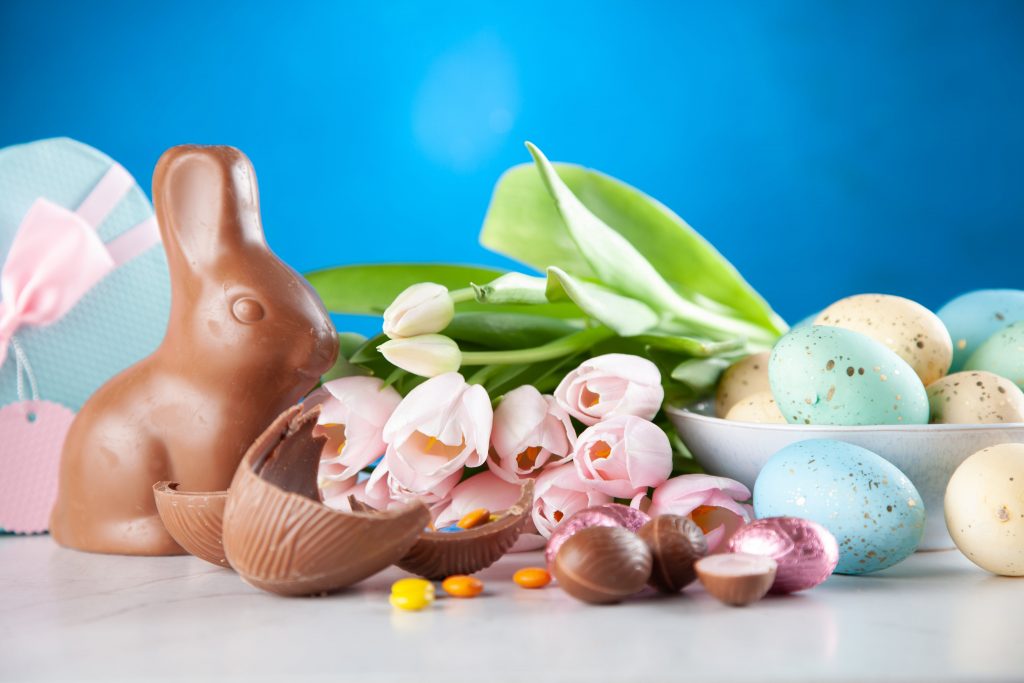
During this festive season, allow yourself to be transported by this unique sensory experience where wine and chocolate come together in a symphony of flavors.
Don’t hesitate any longer—come visit us, and we’ll be delighted to offer you our advice!
– Laure & Mathilde