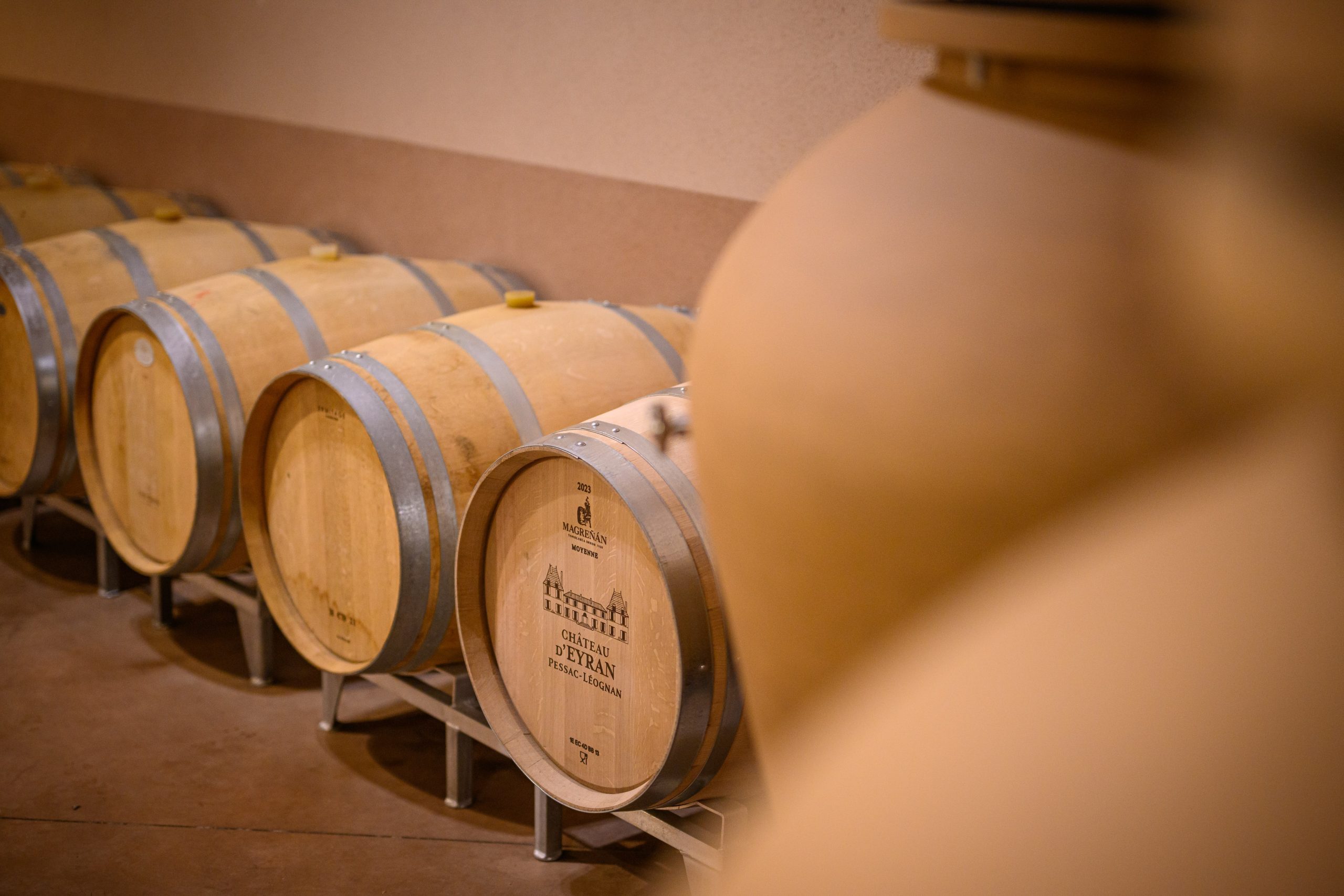
After hand harvesting, the grape clusters are quickly directed to the cellar to be transformed into wine. The winemaking process then begins, involving several key stages, which differ for white and red wines.
The year 2024 was particularly challenging due to frequent rains, which sometimes prevented the grapes from reaching full maturity.
The role of the winemaker becomes even more crucial in such conditions: during these stages, they must highlight the unique character of each vintage and grape variety, while taking into account the climate challenges, in order to achieve the best possible result.
The winemaking process of Château d’Eyran Rouge
First, the grape clusters are mechanically destemmed, which separates the stems (the skeleton of the cluster) from the individual grapes. This operation is essential to avoid extracting harsh, astringent tannins and undesirable herbaceous flavors from the stems, which could compromise the quality of the wine. The grapes then continue their journey on a sorting table, where any damaged berries are discarded.
The grapes are then crushed, meaning they are lightly pressed to release the juice (which is colorless) while keeping it in contact with the pomace (skins, pulp, and seeds). This contact is necessary to extract the aromatic compounds, tannins, color, and minerals found inside the berries. The goal of the winemaking process is to transform this grape must into wine.
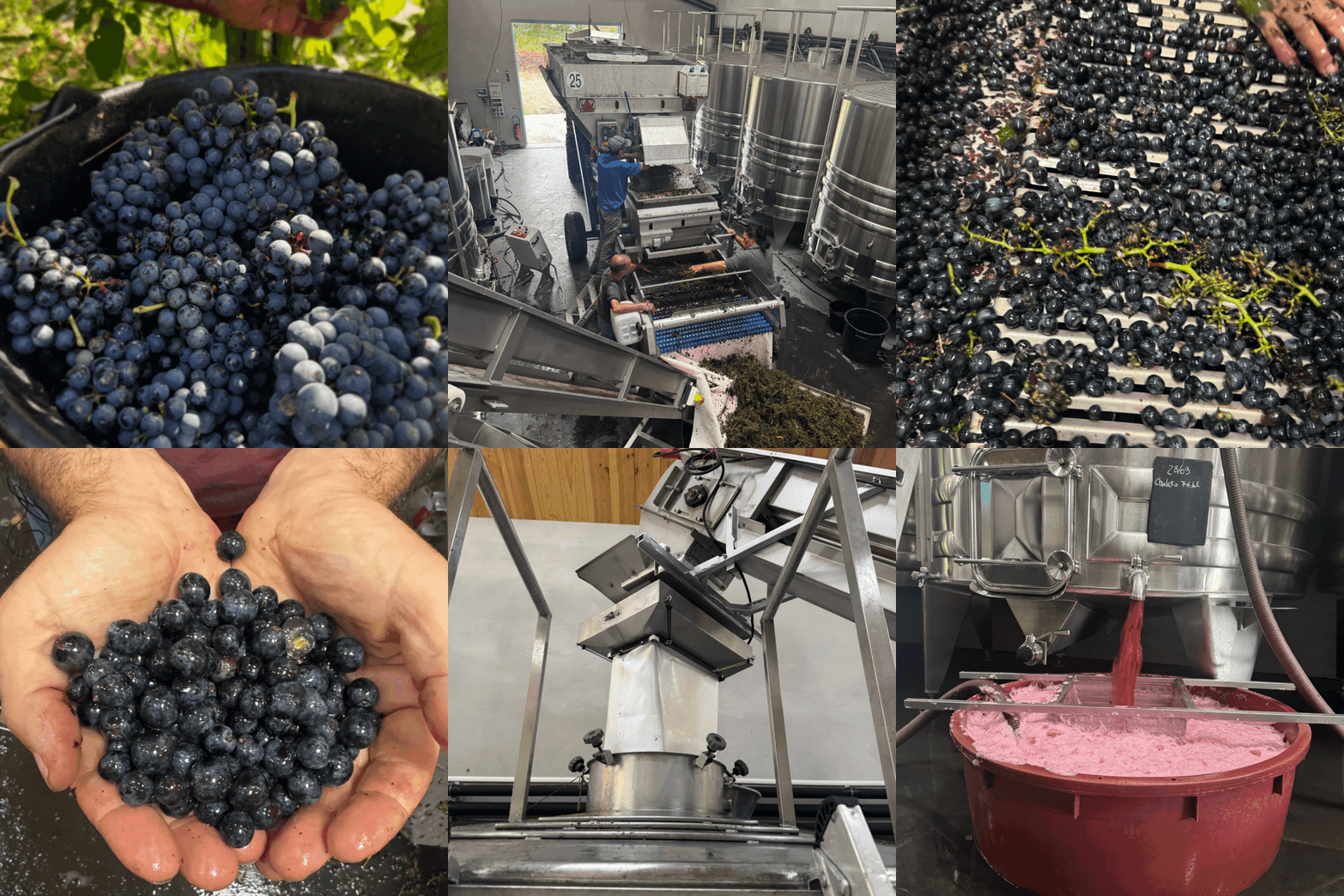
During the first week of the wine process, alcoholic fermentation takes place. In this phase, the naturally occurring sugars in the must are converted into alcohol through the action of yeast. We carefully monitor the temperatures using our thermoregulated tanks. To counteract the lack of oxygenation caused by the cap of pomace rising to the surface, we perform « remontages » several times a day (on average 2 to 3 times, depending on the juice volume in the tanks).
This operation involves pumping the fermenting must (grape juice) from the bottom of the tank to the top, thus promoting the extraction and maceration of the various compounds (mentioned above) that define red wine.
At the end of alcoholic fermentation, the wine remains in contact with its pomace for an additional three weeks.
What stages are currently underway in the cellar?
For the red wines, alcoholic fermentation is now complete. We are currently in the post-fermentation maceration stage, during which our cellar master, accompanied by an external oenologist, assesses the progress of the extractions through tastings in order to plan the racking dates. It is only at this point that we will remove the pomace definitively, leaving only the wine. We will then begin the malolactic fermentation phase.
How is the winemaking process going at Château d’Eyran?
According to Florian, our cellar master, the winemaking process is progressing well; he is generally satisfied with the quality of the harvested grapes. Despite the low sugar levels due to this season’s climatic conditions, the grapes have reached a beautiful level of maturity in terms of acidity.
The winemaking process of Château d’Eyran Blanc
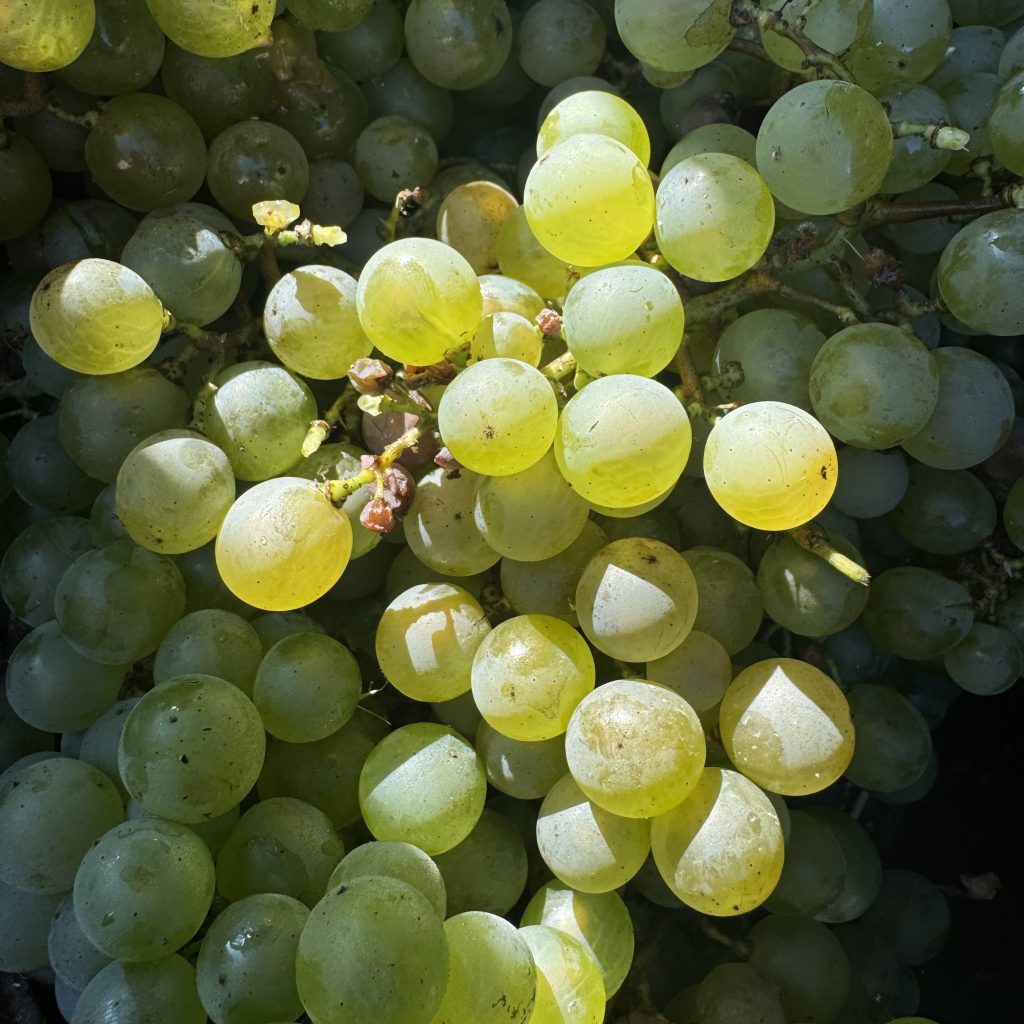
The goal here is to produce a fruity wine with no bitterness. To achieve this, it is essential to avoid excessive contact with the stems and the pomace. The whole grape clusters are therefore immediately placed in a pneumatic press, where they are gently crushed to release the juice. The pressing must be long enough to extract all the juice, but gentle enough to minimize contact between the juice and the skins, which could release undesirable compounds.
After leaving the press, the juice is very cloudy, as it still contains many small solid particles called bourbes. A clarification process through static decantation is then necessary to separate these particles and prevent the development of off-flavors during fermentation.
Once this clarification is completed, the « clear » juice is collected and placed in oak barrels to continue its fermentation.
What stages are currently underway in the cellar?
The alcoholic fermentation is now complete. Our Château d’Eyran white wine shows promising power and structure, with great aging potential. We have finished the bâtonnage phase, an essential technique to prevent oxidation and reduction risks. By stirring the lees at the bottom of the barrel and suspending them, we aim to enrich the wine with its aromas and increase its density.
We perform three bâtonnages per week to maximize the extraction of complex aromas present in the lees. Regular tastings by our expert oenologists allow us to assess whether we are achieving our goals. We are aiming for a beautiful structure, a rich mouthfeel, and a harmonious development of rich and complex aromas.
At this stage, we remain attentive to the wine’s evolution and its winemaking process, adjusting our techniques as needed to ensure it fully expresses its potential.
Stainless steel, wood, clay: exploring the containers and their influence on wine
Aging is a crucial stage in the winemaking process. It is during this period that the wine evolves from a raw state to one that is pleasant to taste. Tannins, in particular, soften and refine, contributing to the overall harmony of the final product.
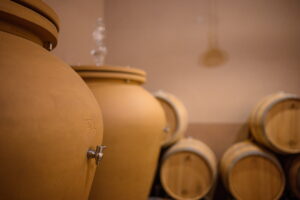
At Château d’Eyran, we use various types of containers for aging our wines: stainless steel tanks, barrels, and, more recently, amphorae. But how do we choose the most suitable container?
Stainless steel tank or oak barrel?
For a wine intended to be consumed young, such as our second wine, Château Haut L’Artigue, we favor stainless steel tanks. This choice helps preserve the freshness and primary aromas of the wine. On the other hand, for a more complex wine, like Château d’Eyran red, the contribution of oak barrels is essential. This method of aging promotes exchanges between the wine and the oxygen in the air, softening the tannins while adding complexity and body. The level of toasting, the age, and the origin of the wood also influence the aromatic profile, allowing for the development of notes of vanilla, hazelnut, and even toasted flavors for dry whites.
Amphorae
As for the amphorae, we do not yet have enough experience to draw definitive conclusions, as we have only been using them for less than a year. The aging of the 2023 vintage is currently underway in these vessels, and the blends will take place at the end of the year, followed by bottling scheduled for March 2025. Amphorae allow for micro-oxygenation similar to that of wood, without the specific aromas of oak. Since the proportion of wine aged in amphorae represents only 5 to 10% of the final blend, we will be able to assess their sensory impact during future tastings.
In short, each type of container plays a crucial role in the creation of our wines, contributing to their unique character and aging potential.

Here’s the English translation of your text:
Every year, the winemaking process and the aging play a crucial role in the creation of each wine. Depending on the methods chosen, the characteristics of the harvested grapes are enhanced or adjusted, transforming their juice into wine. Thus, each cuvée stands out with its own unique personality.
Through this article, we’ve explored how each aging method enriches the wine, whether by adding complexity and structure or preserving the freshness and authenticity of the fruit’s aromas. The choice of aging container is a key decision in winemaking, reflecting the winemaker’s vision and style. By understanding these techniques and their impact, we can fully appreciate the richness and diversity of the wines they produce.
Thanks to the winemaker’s and cellar master’s unique expertise, our wines are elevated, revealing their full potential. We’ll soon offer a preview of our first wine made from a batch aged in amphora, so stay tuned to discover our impressions!