The French National Day on July 14 is an emblematic day of celebration, marking the Storming of the Bastille in 1789, a pivotal event in the French Revolution. It is a special occasion to celebrate the ideals of liberty, equality, and fraternity that have shaped the country’s history. Beyond the festivities, this day provides a moment to reflect on the symbols that represent French culture, among which is wine.
Viticulture in France is deeply rooted in the country’s history and tradition. For centuries, French vineyards have been the birthplace of renowned wines, embodying the terroir, craftsmanship, and passion of winemakers. The diversity of grape varieties, winemaking techniques, and terroirs offers an endless palette of flavors and aromas, showcasing the richness and complexity of the French wine heritage.
The arrival of viticulture in France
The history of viticulture in France dates back to the time of Greek and Roman colonization. The Greeks brought the first vines to the south of France in the 6th century BC, particularly around Marseille. However, it was the Romans who truly developed viticulture throughout the country, planting vines in regions such as Burgundy, Bordeaux, and the Rhône Valley. With the collapse of the Roman Empire, the Catholic Church played a crucial role in preserving and expanding viticulture, as monasteries often served as centers of wine production and expertise.
Wine rooted in our traditions
Beyond its taste, wine is also a symbol of conviviality and sharing. In France, wine tasting is much more than a simple sensory experience; it is a moment of gathering and exchange, where stories, anecdotes, and emotions are shared over a glass. Family meals, evenings with friends, and vineyard visits are all occasions to celebrate life and create unforgettable memories.
Wine also embodies the spirit of freedom that has marked France’s history. As a product of the land, it is the result of the hard work of the men and women who cultivate the vine with passion and dedication.
Moreover, it reflects innovation and creativity, with winemakers constantly pushing boundaries to produce exceptional wines. In this way, wine represents the freedom of expression and exploration, allowing winemakers to convey their art and showcase the diversity of their terroirs to the world.
The role of wine in our history
Wine in 14-18: An indispensable companion of the Poilu
Long overlooked, even discreetly silenced, the role of wine during the First World War is garnering increasing interest from historians. It played a key and ambivalent role, serving as a crutch for the Poilu to endure the horror; wine was referred to as « liquid courage. » However, it also had the potential to incite disorder. This consumption changed the men, and wine as well.
The place of wine in art
« Drinking wine is drinking genius. »
Charles Baudelaire
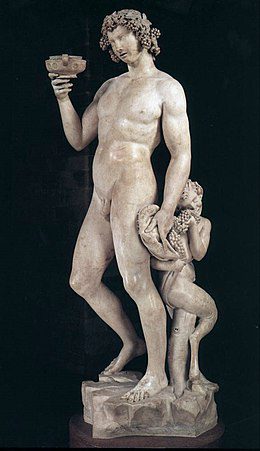
Bacchus is undoubtedly one of the most exciting legends in our history! In mythology, he is known as Bacchus to the Romans and Dionysus to the Greeks. Nourished and protected by the vine, Bacchus is the god of wine.
As Aristotle points out, « Art and wine are the supreme joys of free men. » These two worlds have been intertwined since antiquity. Artists have drawn inspiration from this red liquid. It was during the Enlightenment that wine evolved into a recognized art form; it embodies sensitivity and emotion. Thus, wine holds an important place in the arts, whether in theater, dance, painting, or engraving.

Knowing that alcohol lowers inhibitions and removes mental barriers, it’s not uncommon to see wine in the works of certain artists or flowing in their veins. Wine is and will always be a product that fascinates. Impressionists like Monet and Renoir often captured vineyard landscapes in their works, reflecting the importance of wine in daily life and in art.
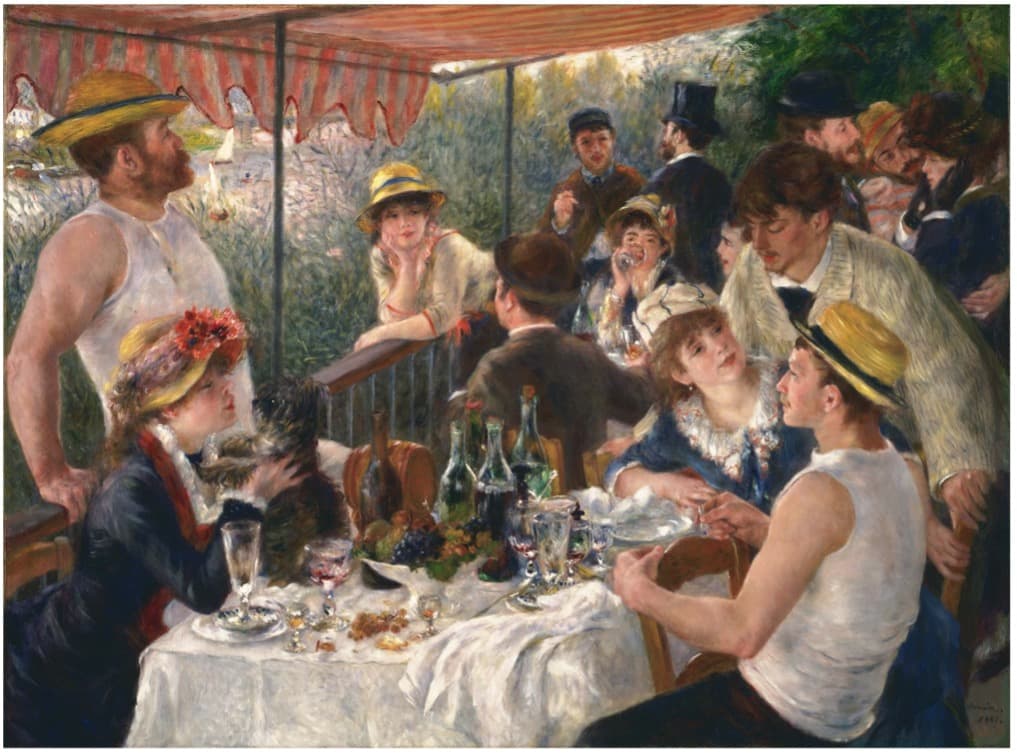
In picturesque representations of wine served during banquets or rustic meals, it embodies joy, sharing, and festivity. Beyond this aspect, wine also proves to be a key source of inspiration for artists. For example, Pierre-Auguste Renoir expresses social and aesthetic symbolism in his work « Le déjeuner des canotiers”.
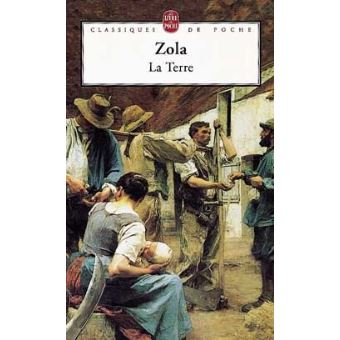
Wine holds a prominent place in French culture, reflected in literature, art, and cinema. Writers such as Émile Zola in “La Terre » and more recently Peter Mayle in « A Year in Provence« have celebrated French viticulture.
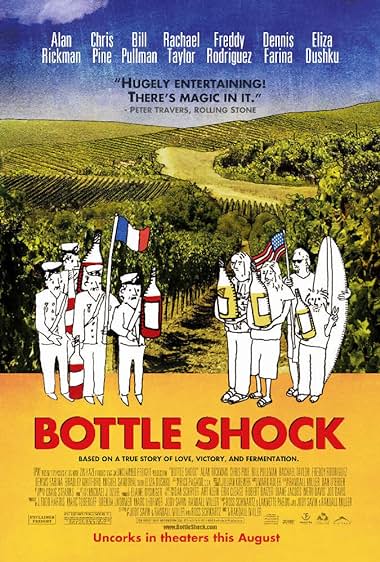
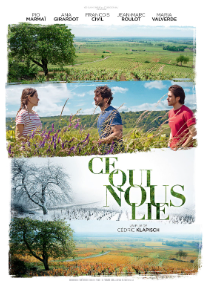
Cinema is also keen to celebrate wine. Foreign films such as « Le festin de Babette » by Gabriel Axel, « Bottle Shock by Randall Miller, and « A good year » by Ridley Scott express a deep admiration for French cuisine and wine.
In France, films like « Tu seras mon fils » by Gilles Legrand and « Ce qui nous lie » by Cédric Klapisch showcase wine as a vehicle for social and familial connections, as well as a symbol of French identity.
Wine is deeply ingrained in French popular culture. It is omnipresent in festivities, celebrations, and even in everyday conversations.
National Day and wine: similar symbols
Celebrating the national holiday with French wine is not just a tradition; it’s a way to connect with the history and culture of France. Each sip of wine serves as a reminder of the French terroirs, the passion of winemakers, and the art of viticulture that has been passed down through generations.
- Freedom is a concept dear to the heart of France; it evokes open-mindedness and a desire to explore and discover.
- Equality signifies harmony, balance, and justice. A wine is considered good when there is a perfect balance between acidity, aromatic complexity, and tannic structure.
- Fraternity suggests sharing, unity, and conviviality. What better way to symbolize this than with a wine made from the blend of several grape varieties, representing the fraternity among different types of grapes that come together to create a harmonious wine.
On this national holiday, let us celebrate wine as a symbol of freedom, tradition, and sharing. Through each bottle or every shared glass, let us honor the cultural heritage and exceptional craftsmanship of French winemakers. And let us remember that, far more than just a beverage, wine is a true ode to life, freedom, and the diversity that make France proud.
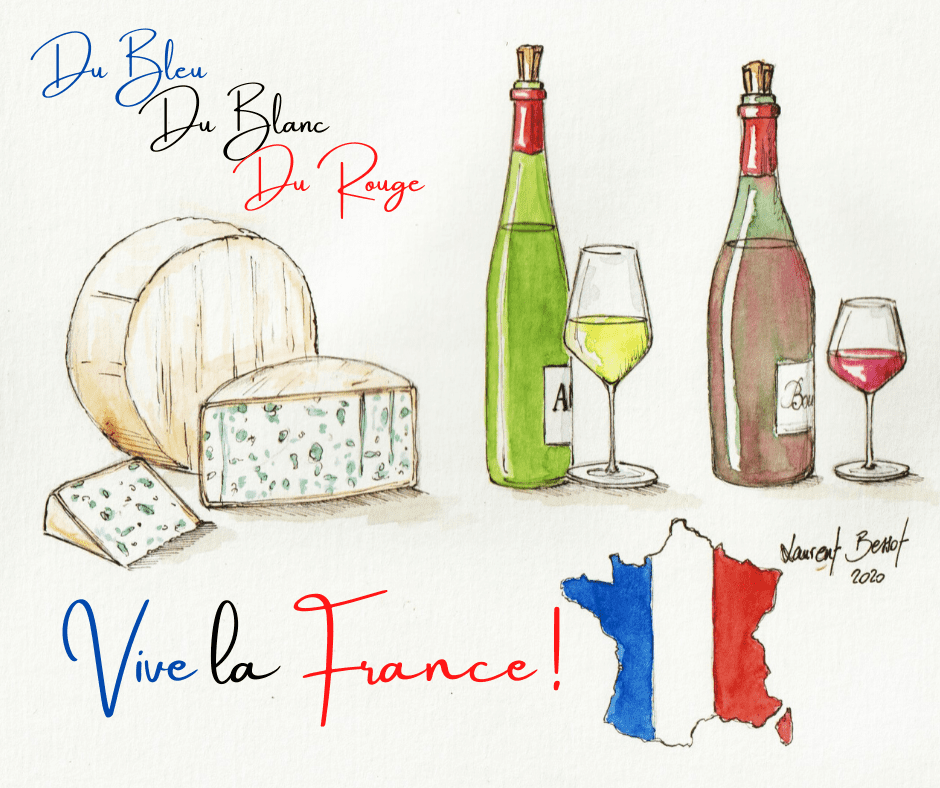
So, cheers, and long live France!