Since the beginning of the 20th century, France has experienced an average temperature increase of 1.4°C, a trend that could intensify in the coming decades, with projections suggesting a rise of +3.4°C to +5.3°C by the end of the 21st century.
This climatic evolution is not just an abstract figure but has a tangible impact on French vineyards, disrupting their ecosystems and centuries-old traditions.
Impacts of climate change
The increase in temperatures and changes in precipitation patterns are gradually transforming the landscape of French vineyards. This trend is already evident, with a decrease in rainfall in the south of the country and an increase in the north. This shift, combined with rising evapotranspiration, reduces water availability for crops, increasing the water stress on the vines.
Extreme thermal events, such as heatwaves, are becoming more frequent, directly impacting the health of the vines. Recent summers have highlighted this reality, with periods of intense heat sometimes jeopardizing harvests. At the same time, the number of frost days may decrease, although late frost events have been observed in recent years.
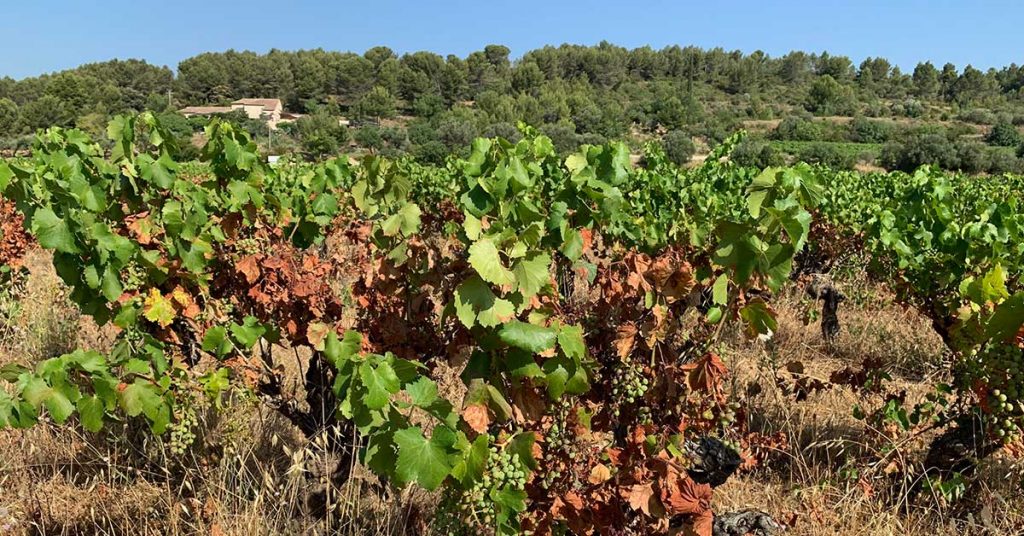
We are witnessing global warming, which has significant consequences: milder winters, irregularities in rainfall—intense rain episodes followed by droughts that can occur in any season. We experience winter outings with risks of sudden frosts and hail due to rapid temperature changes. In general, climate-related disasters are becoming more frequent.
Charles SAVIGNEUX, manager and winemaker at Château d’Eyran
Impact on viticulture
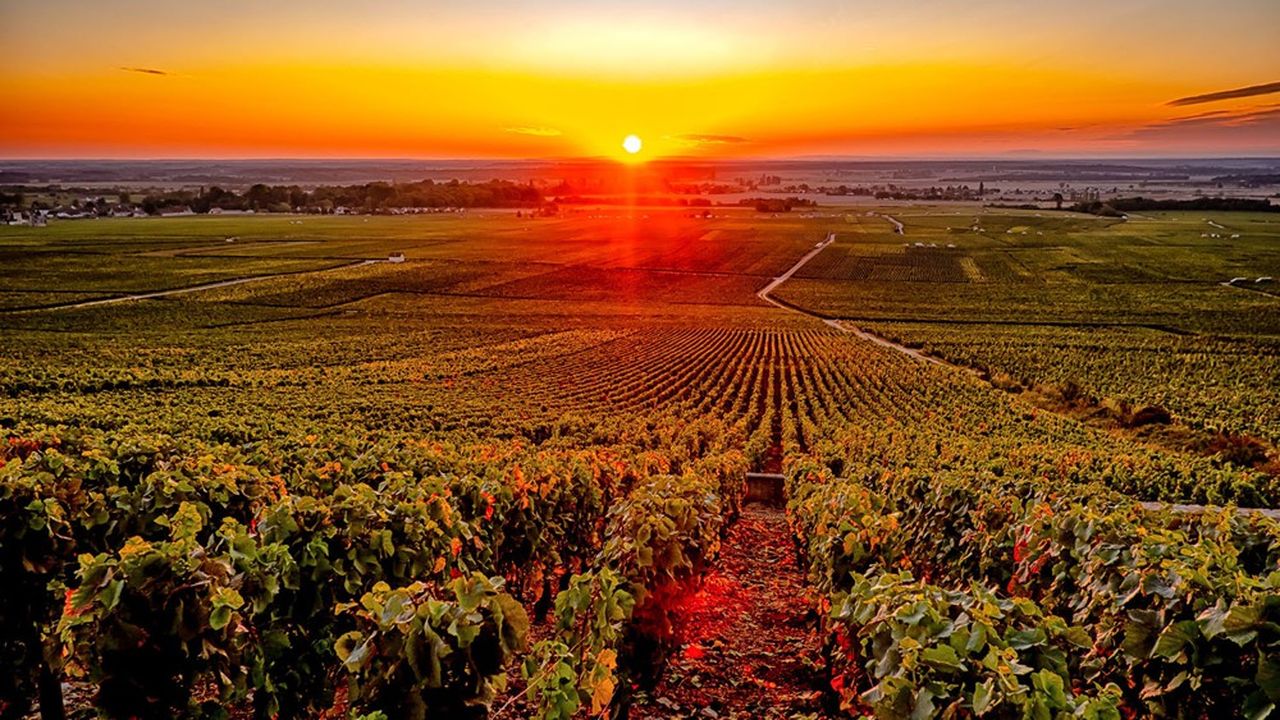
The consequences of climate change on viticulture are multiple and complex. Vines are experiencing increased water stress due to hotter and drier conditions, which impacts yields. Late frost events, such as the one that affected the Burgundy vineyards in April 2021, illustrate the vulnerability of crops to these extreme climatic events.
The early ripening of grapes, a result of higher temperatures, also alters the chemical composition of the fruit, producing wines that are increasingly alcoholic and less acidic. This shift disrupts the flavor balance of the wines, transforming, for example, the fresh aromas of Bordeaux into notes of jammy fruit.
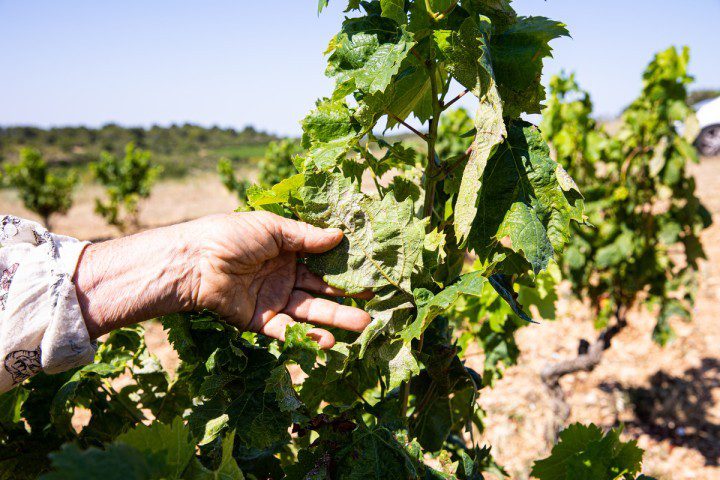
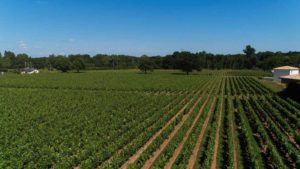
Some vineyards suffer from severe drought, which is not our case. We face phases of intense rainfall in spring followed by very dry and hot periods in summer, almost heatwave-like. This complicates matters because the vine can stall at certain temperatures, which can cause damage to the grapes, such as sunburn and accelerated ripening.
What is certain is that all ecosystems are facing uncertainty regarding plant growth. Some years, the vines grow very quickly and vigorously, making disease management more challenging.
Charles SAVIGNEUX, manager and winemaker at Château d’Eyran
Adaptations and solutions
Faced with these challenges, winegrowers are striving to adapt by modifying their farming practices and selecting grape varieties that are more resistant to changing climate conditions. Sustainable agriculture, with practices such as minimal leaf removal and shading of the vines, is gaining popularity not only to protect the grapes from the sun but also to reduce water stress.
Genetic innovation also offers promising prospects, with the creation of grapevine varieties suited to emerging climatic conditions. Efforts are focused on developing later-ripening grape varieties that are more resistant to heat and drought, as well as rootstocks better adapted to water constraints.
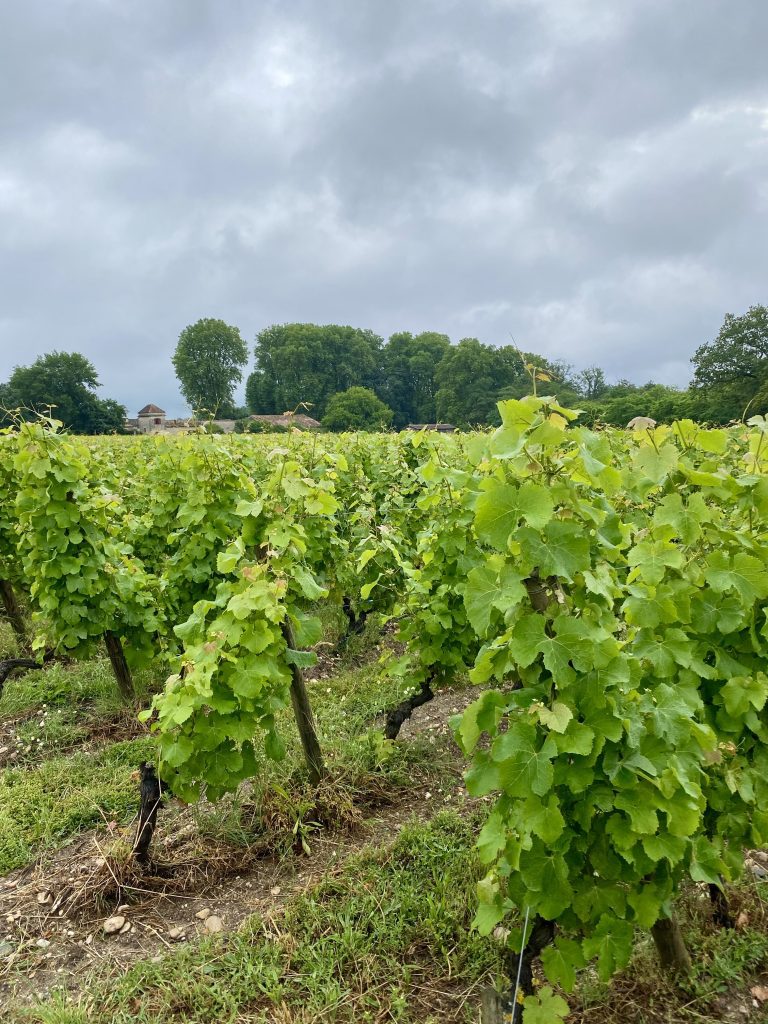
We are working on the resilience of the vine, ensuring it can withstand tough conditions: excess water in the soil, mild winters, frost, and negative temperatures—all of these challenges can deplete the vine. Excess moisture in spring complicates mineral absorption and encourages diseases. Diseases like downy mildew quickly adapt to new treatments, making it difficult to protect the vines.
It is crucial to find the right genetic material, properly prepare the soil, ensure good planting establishment, and maintain adequate mineral levels, which is becoming increasingly difficult with excess water in the soil. We conduct regular leaf analyses to check that the vines have all the necessary minerals. We also use foliar fertilizers to supplement nutrition during the growing season.
We must demonstrate precision and technique. The slightest mistake can lead to a loss of harvest. Years with larger yields help us maintain our stocks and remain competitive.
Cabernet Sauvignon matures more slowly and is less susceptible to downy mildew than Merlot. This late-ripening variety is advantageous because it never reaches over-ripeness with very high alcohol levels, has ripe tannins, and is less prone to frost and diseases. Therefore, we prioritize this grape variety over Merlot, which is more sensitive.
We are also working on vine pruning to respect the plant and maintain its potential for vigor and energy in the face of climatic uncertainties. Managing soil nutrition and health, mowing, leaf removal, and shoot thinning must be done at the right time. We adapt our treatment protocols to minimize environmental impact while remaining effective against downy mildew.
Charles SAVIGNEUX, manager and winemaker at Château d’Eyran
The role of oenology
At the same time, winemaking practices are evolving to counter the effects of climate change on wine quality. Techniques such as dealcoholization and acidification are used to adjust the alcohol and acidity of musts and wines, thus preserving sensory balance and aging potential.
Climate change necessitates a redefinition of traditional viticultural practices. Winegrowers must adapt by rethinking their cultivation methods and exploring new grape varieties. While preserving the very essence of French viticulture, these adaptation efforts are essential to ensure the sustainability and diversity of vineyards in the face of future climatic challenges.
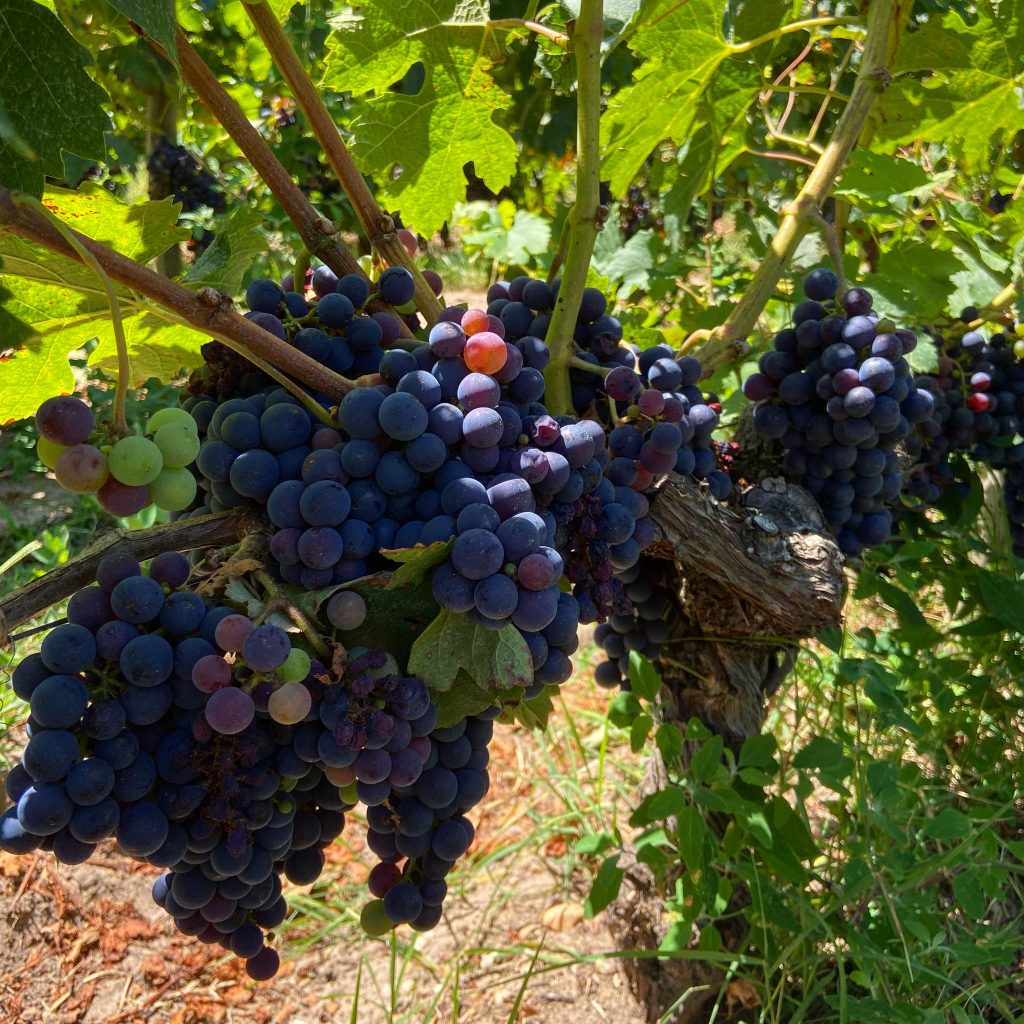
In the selection of grape varieties, we have clones and mass selections. Clones, which are exact copies of the genetic material from a mother vine, allow us to have a homogeneous plot in terms of quality. The quality of the plants is essential for producing wines with finesse and evolving aromas.
There are an increasing number of interesting resistant grape varieties. However, following technical tastings of these varieties at Château d’Eyran, we are not yet satisfied with the results at this time.
At Bordeaux Château Bastian, we might consider a small portion of these grape varieties in our blends, which would have minimal impact on the final result. However, at Château d’Eyran, I have no desire to add even 5% or 10% of these lots, as I find they do not meet the necessary quality standards.
I believe that the wines would not age in the same way, would not have the same evolving aromas, and would lack structure.
.
On our side, we continue to taste and stay attentive, but for now, I believe the best approach is to protect against frost using non-polluting systems, to manage the quality of the genetic material as effectively as possible, and to have a variety of grape varieties that best adapt to our terroirs.
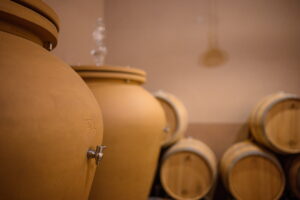
We are also experimenting with winemaking in amphorae. They allow us to produce very expressive, fruity, and fresh wines. Amphorae, which are more durable and less expensive than barrels, provide a different profile for the wines.
We are adopting these changes with a certain caution because we don’t know what tomorrow will bring, but we will need to adapt, so we remain positive!
Charles SAVIGNEUX, manager and winemaker at Château d’Eyran