Often made of crystal, carafes adorn the dining table for Sunday meals or the grand tables of restaurants. It is in a nearly ceremonial atmosphere that the bottles reveal their complexity and power. When it comes to opening a bottle, there’s no room for error. A poor choice of carafe can lead to disaster. So today, we have decided to address the why but, more importantly, the how!
Use a carafe
What is the meaing of « Carafer » ?
« Carafer », is the action of transferring wine into a carafe. This allows the wine to quickly come into contact with air and aerate. This process helps the wine become fuller and less tannic on the palate, making it more rounded. Most often, young wines or those that are too ‘rough’ and ‘tannic’ can be carafer. Thanks to this step, the wine seems to gain a few additional years of aging during tasting.
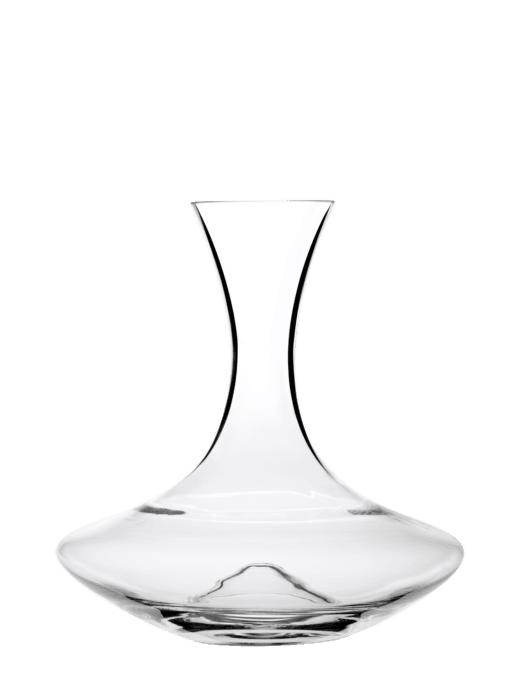
The carafe used is often quite wide to allow for a circular movement of the wine during transfer, thus facilitating significant aeration.
Peugeot
When to « carafer » ?
Sometimes, when serving wine directly from the bottle to the glass, the wine and its aromas can be « closed, » making it more difficult to sense and appreciate. A quick turn in a carafe, and voilà! You can achieve a more expressive wine that fully reveals its aromas.
As for when to carafer, it should be adjusted according to the wine, taking into account the grape varieties, its structure, age, or the number of guests. This will help you determine how long the wine can remain in the carafe.
However, nothing beats natural aeration: opening the bottle in advance, pouring a bit into a glass (to taste and, importantly, to wait) to maximize the surface area in contact with air. This step is certainly longer but much gentler and suitable for all types of wines (both young and old).
« Carafer » is not mandatory. We recommend reserving it for emergency situations: last-minute guests, lack of time, etc.
Why shouldn’t you « carafer » old wine?
Extreme caution is needed when you pour in a carafe, as it can sometimes have negative effects on the wine. While a young wine is rich in antioxidants, an older wine may lack them. In this case, contact with air can be too harsh, and the wine may not withstand it. Its structure will be compromised, and very quickly, the wine will lose all its aromas and complexity. Consider yourself warned: it can be disastrous!
Decanting Wine
What is decanting?
Decanting simply allows for the separation of sediment that may accumulate over time in a wine bottle. Thus, when decanting, there are no residues at the bottom of the glass, enhancing the tasting experience. This step is particularly relevant for « old wines. »
The decanter used has a very elongated neck to gently pour the wine inside and limit the introduction of air.

When to decant?
It’s simple: if there are no sediments in the bottle, there’s no need to decant the wine.
To decant an old wine, patience is required, and you should plan ahead. If the bottle has been lying down for some time (keeping a bottle horizontal prevents the cork from drying out), it’s important to stand it up the day before the tasting so that the sediments settle at the bottom. Then, open the bottle 30 minutes in advance and carefully (or very gently!) pour the wine into the decanting carafe, making sure not to let the sediments fall into it.
By the way, how can you recognize a « young » wine and an « old » wine?
There are different criteria for identifying a young wine if you want to decant it. Young red wines are generally clear and bright, ranging from light red to dark. Additionally, young reds often have delicate floral notes and focus on red fruits, which are the primary aromas. These are usually wines that are less than 8 years old, like a Château d’Eyran rouge 2020.
An old or mature wine changes from a purplish color to brown or even orange, with brick nuances brought on by oxidation. As for aromas, the fruits seem riper, sometimes even candied. You also find more complex aromas like wood, tobacco, or leather, which are spicier notes known as tertiary aromas. These are often wines that are at least 15 years old.
In summary
Ultimately, the key takeaway is: pour the wine in a carafe allows young wines to aerate, while decanting serves to separate the sediments from older wines.
Bonne dégustation !
Juliette