Once upon a time, the dance of the vines
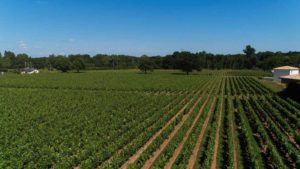
In the vast theater of vineyards, each season brings its own ballet, where the vintners play the role of conductor, guiding the vines with care and precision.
In the distant tales of the past, where time blends into the mists of history, the story of viticulture is woven with the golden threads of the vines.
So, sit back, hold tightly to your glass, and let yourself be swept away by the evolution of viticulture—a symphony in multiple acts, where each step marks a new advancement in the timeless dance between man and nature.
Act I: Ancient Times (6000 BC to 500 BC)
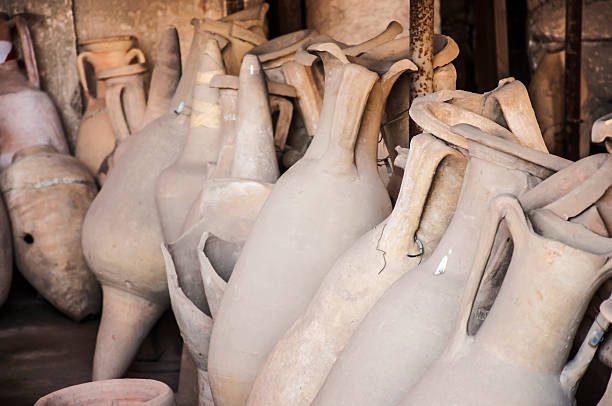
.At the dawn of humanity, our ancestors took their first hesitant steps into the vineyards. The first vines began to appear in the Caucasus (6000 BC) and Mesopotamia. It was among the olive trees and fig trees, where the first rays of the sun kissed the fertile hills of the Mediterranean, that the earliest vines stretched their graceful arms, offering their juicy clusters to both gods and mortals.
Without manuals or guidelines, they cultivated their vines with the instinctive simplicity of those in communion with the earth.
Their tools were rudimentary, their knowledge basic, but their passion for wine was as deep as the roots of the vines themselves.
The Greeks (2000 BC) and the Romans (500 BC), enamored with wine as much as with poetry, elevated the art of winemaking to new heights, spreading the culture of the vine across the fertile lands of Europe.
Act II: The Era of Monks (476 to 1492)
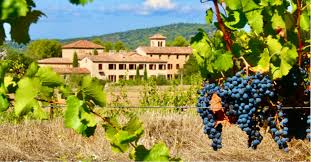
In the Middle Ages, the monks took over, transforming the vineyards into havens of peace and wisdom. Within the austere walls of the monasteries, they preserved ancient knowledge. With monastic diligence, they developed new cultivation and winemaking techniques, establishing practices that would endure for centuries.
The vines were carefully pruned, the soils tilled with attention, and each process was infused with prayers and devotion.
They flourished in the abbey gardens, their fruits pressed in vaulted cellars, ripening in secret.
Act III: The Renaissance of Viticulture (1400 to 1600)
With the Renaissance came an explosion of knowledge and creativity. Enlightened scholars delved into the secrets of the vines with insatiable curiosity, exploring the mysteries of photosynthesis and plant biology. They also unraveled the mysteries of fermentation and wine aging, mapped European wine regions, and selected the noblest grape varieties.
New pruning and grafting methods were developed, allowing vineyards to thrive in previously inhospitable lands.
Wine became more than just a drink; it became an art!
Act IV: The Industrial Age (Early 19th Century)
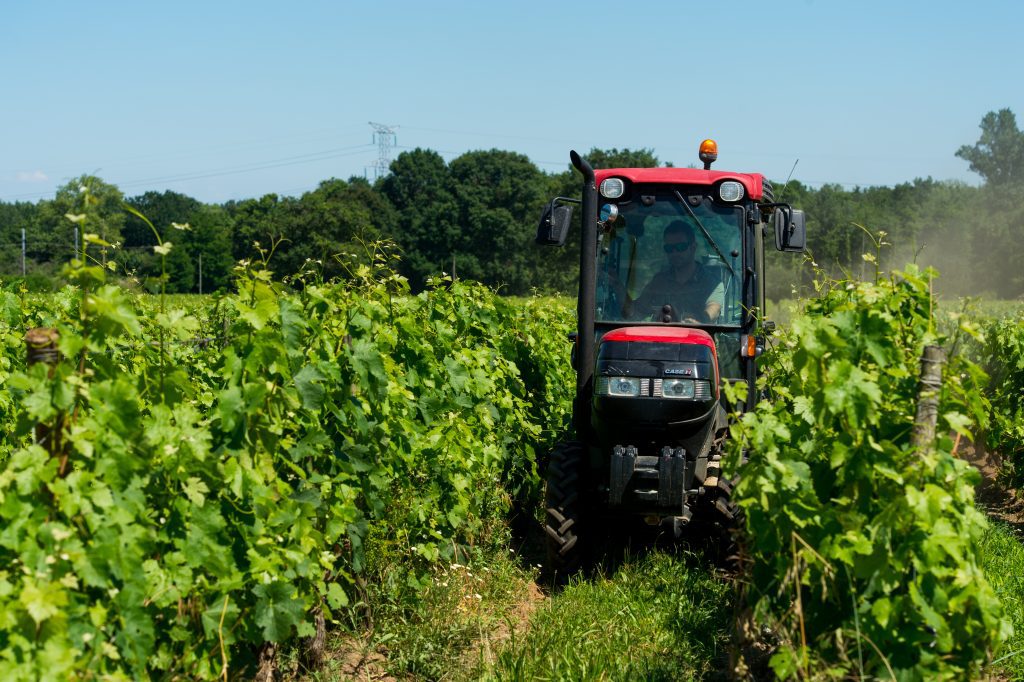
With the advent of the Industrial Age, viticulture was catapulted into a new era of progress. Noisy machines and technological innovations transformed vineyards into large-scale production facilities.
Tractors replaced horses, pesticides replaced prayers, and the standardization of wine production became the norm.
A wave of progress that enabled mass production and distribution across continents.
Yet, amid the glow of modernity, a shadow crept in. The intensive use of chemicals threatened once-fertile lands, while standardization harmed the diversity and richness of the vineyards.
Act V: Return to the Roots (Early 20th Century to Present)
In the folds of history, a silent revolution began to take root. Vintners rediscovered the joys of organic and biodynamic farming, returning to more environmentally respectful cultivation methods. Ancient traditions were revived, and heirloom grape varieties were rediscovered.
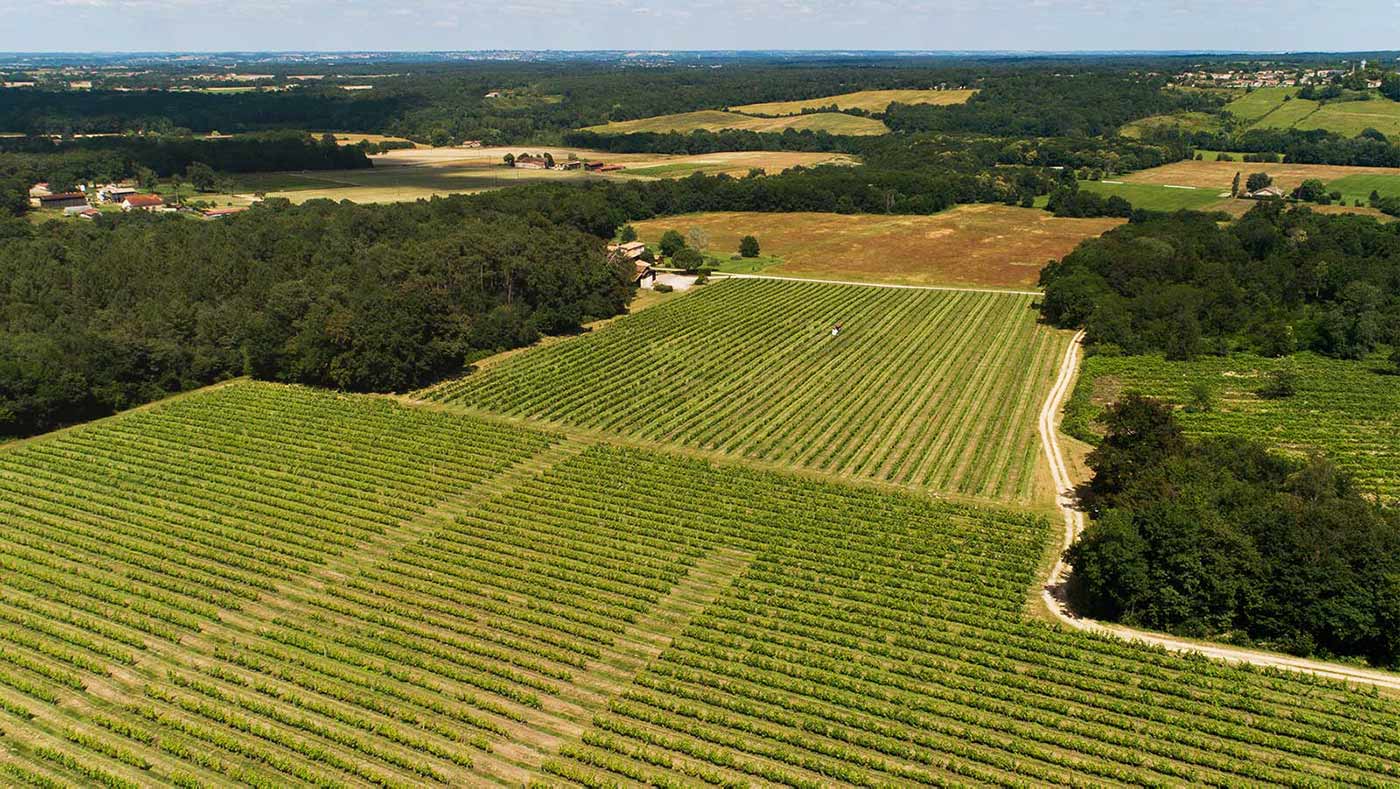
Today, viticulture thrives in a new era where ecology and sustainability are the guiding principles. Indeed, at Château d’Eyran, we have always practiced responsible viticulture.
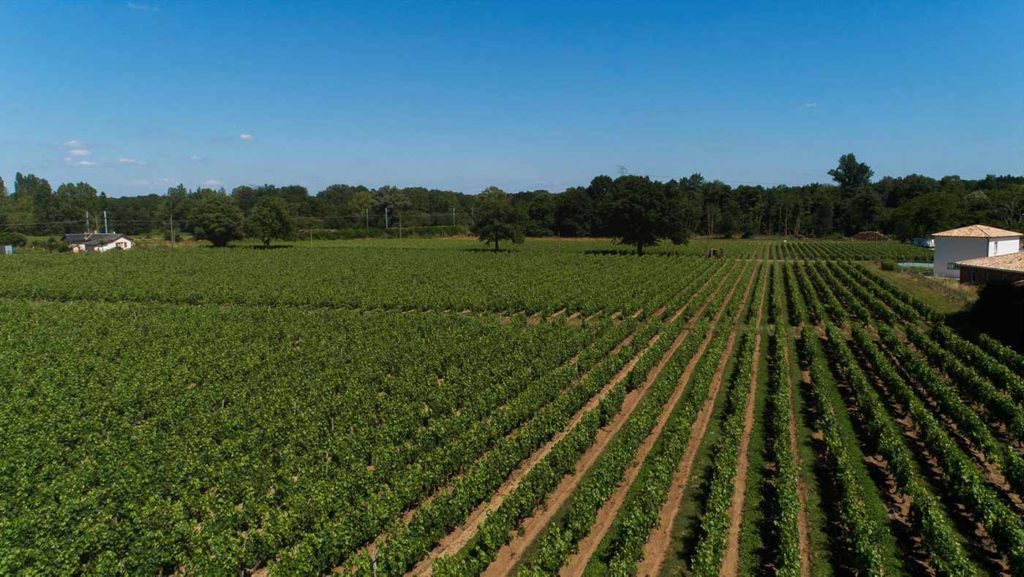
Thus ends our journey through the ages, an epic tale of the evolution of viticulture techniques.
In every vineyard, every grape cluster, every drop of wine, lies the legacy of those who cultivated the land before us.
As we toast to the future, let us always remember the lessons of the past and the importance of preserving the fragile beauty of our vineyards for generations to come.