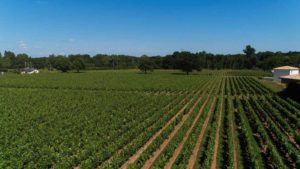
The year 2024 is shaping up to be a challenging one for viticulture in the Bordeaux region.
While the region is renowned for its exceptional wines, this year has been especially characterized by complex weather conditions that have presented many challenges for vintners.
Let’s take a look at this atypical season and the impact of these events on the growth of our vines.
A year marked by fickle weather
From the beginning of the year, signs of a difficult season were evident. The winter was marked by exceptionally mild temperatures, followed by late cold spells in the spring. This thermal contrast not only delayed budburst but also weakened the buds, exposing our vines to a greater risk of spring frosts.
Fortunately, thanks to our efforts and the installation of frost protection systems, we were able to limit the damage, but the water and thermal stress experienced by the vines was significant.
Summer, for its part, did not provide the hoped-for respite. Irregular rainfall, coupled with episodes of intense heat, disrupted grape growth. These conditions required increased monitoring of our plots to prevent cryptogamic diseases, such as downy mildew and powdery mildew, which thrive in a humid and warm climate. Water management was also crucial, with particular vigilance on irrigation to avoid the water stress that can affect grape quality.
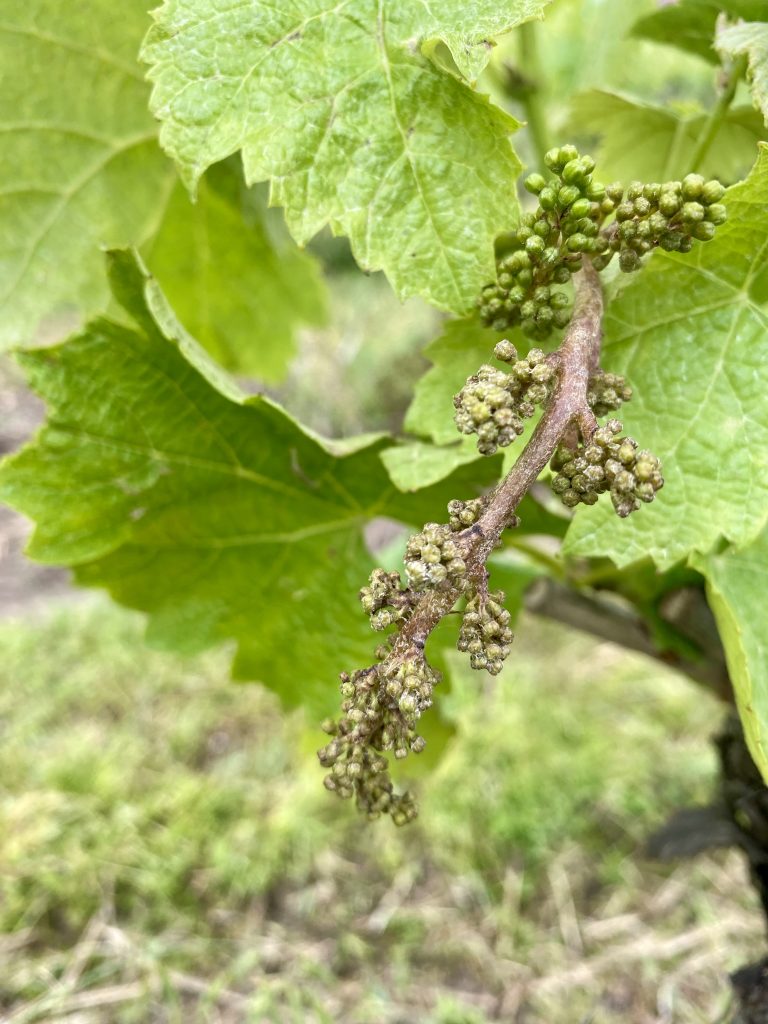
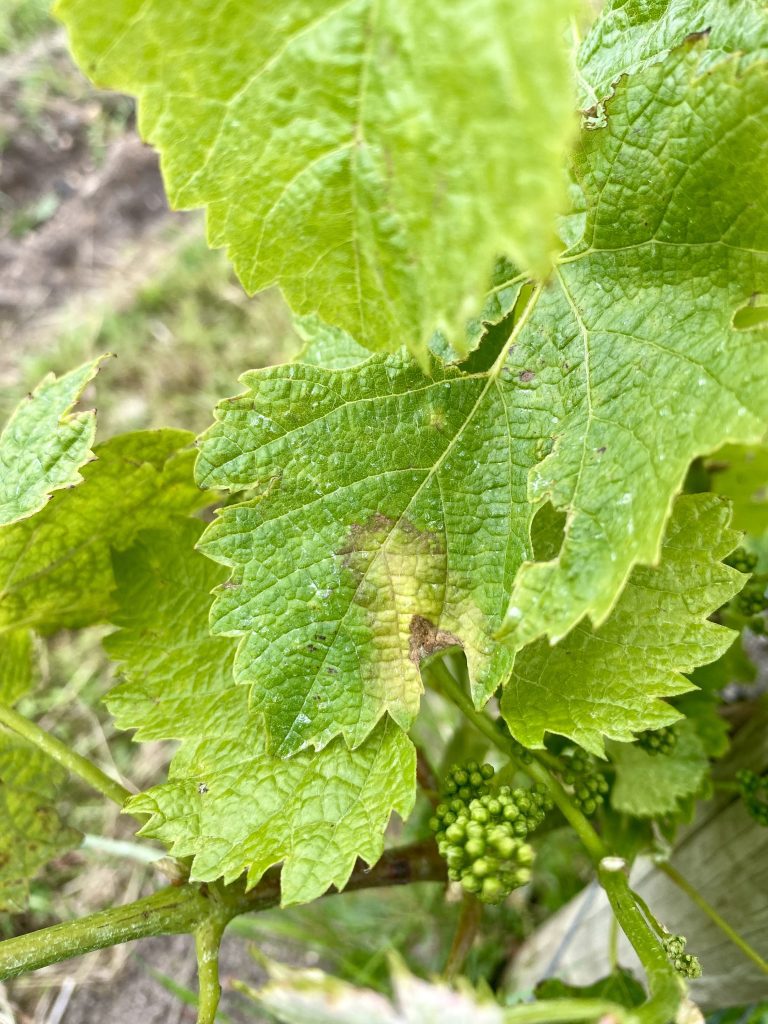
An impact on growth and maturity.
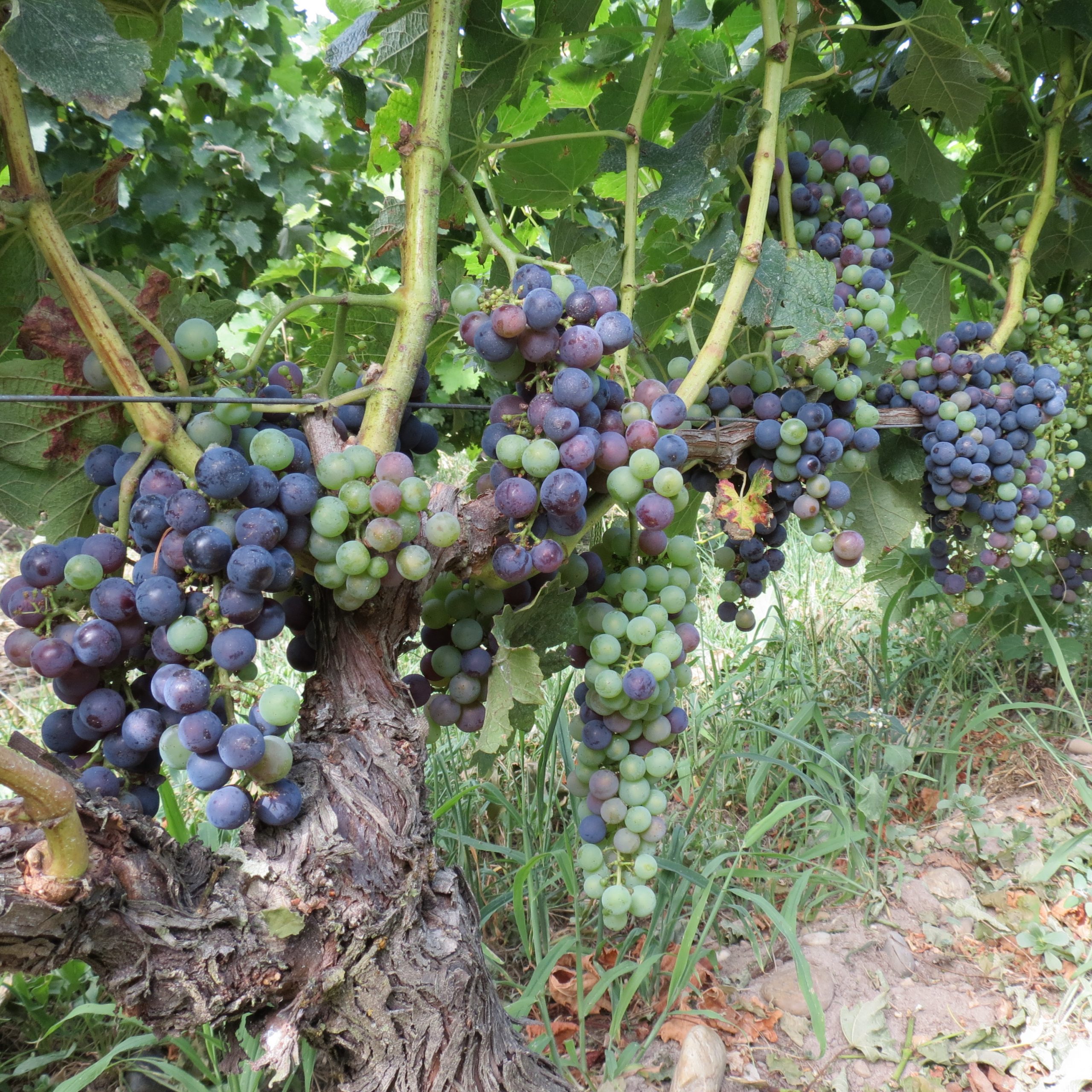
At Château d’Eyran, grape growth has been significantly delayed. The challenging spring conditions prolonged the growing cycle, delaying flowering and, consequently, véraison.
This shift could potentially push back the harvest by a few weeks compared to previous years.
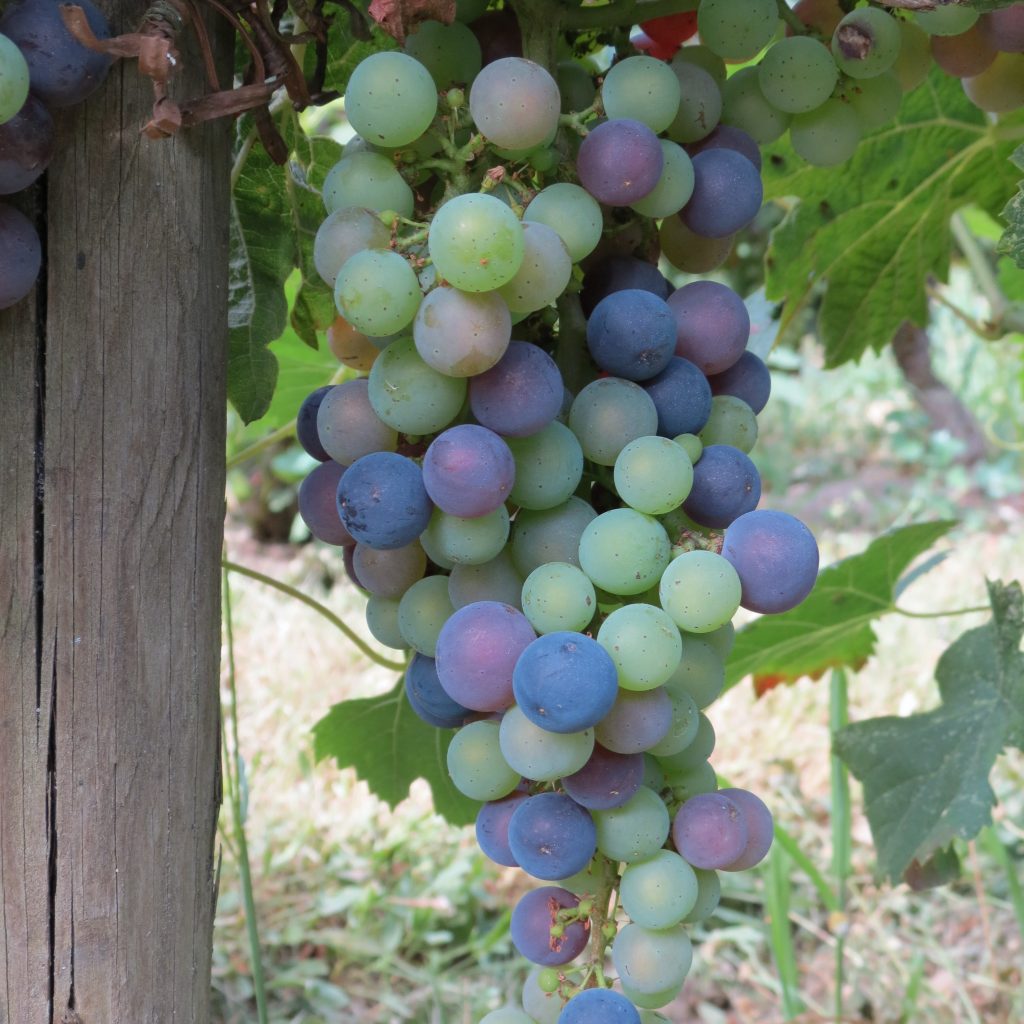
However, despite these challenges, the initial maturity checks of the berries show a beautiful concentration of aromas, suggesting good quality for the 2024 vintage. The expected low yields, a consequence of the stresses experienced by the vines, could even be beneficial in terms of sugar and tannin concentration, promising a rich and structured wine.
The Resilience of the Bordeaux vineyard
In the face of these challenging weather conditions, Bordeaux viticulture has once again demonstrated resilience.
Traditional know-how, combined with modern viticultural practices, has allowed us to adapt to the whims of the climate. At Château d’Eyran, we have implemented several techniques to minimize the impact of these fluctuations, such as controlled leaf removal, cover cropping, and precise irrigation management.
Furthermore, research and innovation play a key role in this adaptation. Studies on grape varieties that are more resistant to climate change and on regenerative techniques are among the avenues explored to prepare the future of the Bordeaux vineyard.
Health status of the vines at Château d’Eyran
In 2024, the vines at Château d’Eyran have not been spared from the fickle weather, which has delayed grape growth.
Against all odds, the production seems to have suffered fewer damages than initially anticipated, despite a fierce battle against downy mildew.
However, millerandage—where some grape berries remain small and underdeveloped—is more pronounced this year, particularly in the red grape clusters.
Despite these challenges, the harvest forecasts remain optimistic: white grapes are expected to be harvested between September 5 and 10, 2024, while the reds will wait until the end of September.
Although this season has been complex and full of twists, the outlook remains positive, with the expected yield at 40 to 45 hectoliters per hectare, slightly below the 54 hectoliters ideally projected for the Pessac-Léognan appellation.
What our teams are currently doing ?
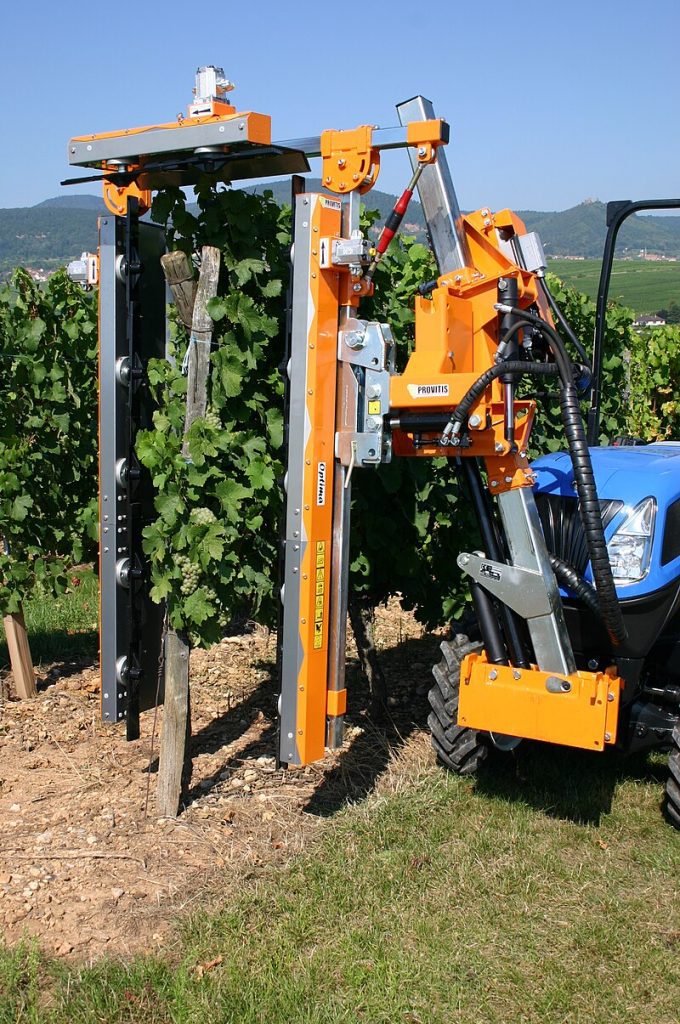
Right now, the teams at Château d’Eyran are fully engaged in maintaining the vines and preparing for the upcoming harvest.
Efforts are primarily focused on mowing the grasses and working around the base of the vines to keep the soils clean and aerated, which is essential for the health of the plants.
Trimming the vegetation is also a priority to enhance sunlight exposure and airflow around the grape clusters, thereby contributing to better grape ripening.
These meticulous cultural operations aim to maximize the quality of the harvest.
The year 2024 serves as a reminder of the importance of adaptability and resilience in viticulture. At Château d’Eyran, we face these challenges with renewed determination, aware that each vintage tells a unique story shaped by the hands of people and the whims of nature.