Olfaction
Olfaction, or smell, is the sense that allows us to analyze volatile chemical substances (odors) present in the air. It is certainly the least utilized sense by humans, unlike many mammals for whom it is predominant. Yet, it is our first connection to the world: even in utero, the olfactory system is the first sense to develop between 11 and 15 weeks. The fetus’s exposure to odoriferous substances carried by amniotic fluid provides a first experience that may influence preferences after birth: while newborns generally grimace at the smell of garlic, “southern” children may appreciate it, as they are already familiar with it through their mothers. After birth, when a baby cries and breathes, it smells the world before seeing it. This sense varies in development among individuals: some are born with a richer olfactory capacity. Women genetically have a greater sensitivity and ability to differentiate aromas compared to men. Although relatively underused compared to other senses, smell plays a significant role in the conscious or unconscious determination of our behaviors. There are two perceptual thresholds: the first corresponds to the detection of an undefined odor, while the second involves identification, which is recognition. Some molecules can be detected at much lower concentrations than others, and it seems that certain molecules (hormones, pheromones) can be detected without being consciously identified by smell.
The smell
We say « to smell » for an odor, but also for emotions and feelings. The olfactory sense is directly linked to memory, without filters or neurons interpreting it. It is connected to an emotion, a memory. It lacks its own vocabulary and is described through metaphor. Straddling the line between ambiguity and unspoken nuances, it is more about the territory of emotion than categorization. The approximately 10 million receptor cells that capture molecules escaping from flowers, fruits, etc., can detect up to 10,000 different scents. However, it is our memory’s capacity that allows us to differentiate them. In Britain, to detect Alzheimer’s disease, they use the pizza test: the patient is asked to smell oregano, which is present on all pizzas. If the patient does not recognize it, that is an early sign. Engaging one’s sense of smell is crucial for memory. What memories does it evoke?
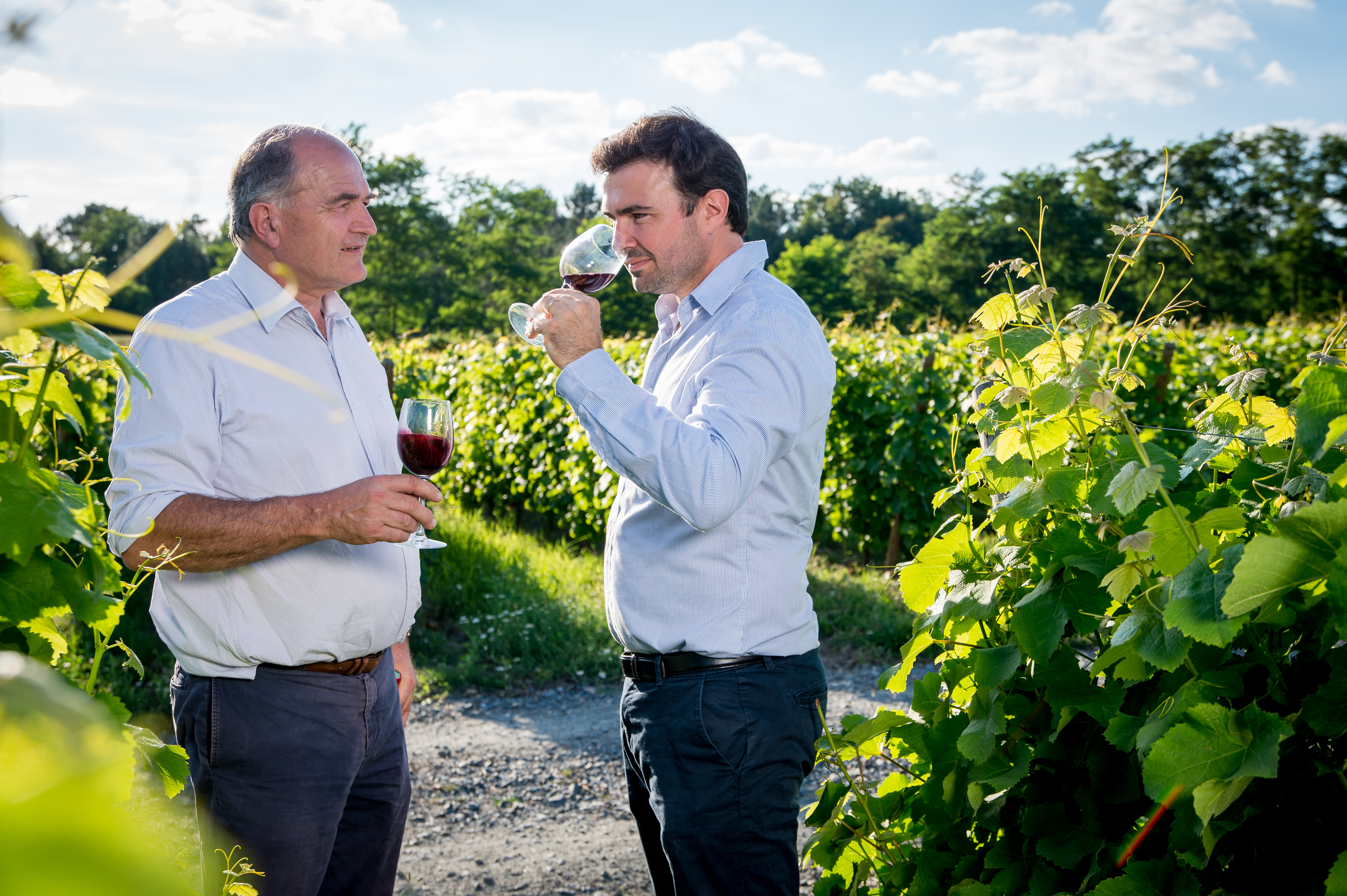
The three main dimensions of odors are intensity (strength), quality (identification), and hedonic tone (pleasantness/unpleasantness). The latter appeals to our emotions and cultural background and is highly subjective. No one perceives the same rose scent: there are no molecular references, and your rose is not the same as your neighbor’s! What about unpleasant odors? For Westerners, authentic Chinese cuisine does not rank among pleasant smells; aged woodcock is unbearable for many, while Asians find that Westerners have a smell of milk and sweat that disgusts them!
The nose of wine
The world of wine aromas is a concentration of substances at the intersection of multiple pathways: the proximity of perfumes, temporary coexistence, the love at first scent of molecules, concubinage, or arranged marriage. Each aroma results from the characteristics of the grape variety, the terroir, and the climate (primary aromas), winemaking (secondary aromas), and blending, aging, and maturation (tertiary aromas). The olfactory examination allows us to analyze the scents expressed by the wine. We refer to bouquet in terms of intensity (subtle, closed, blossomed, open, vibrant), type of fragrance, and complexity. The nose of the wine expresses the scents of the climate (warm aromas, leather for southern wines, or cold, metallic for northern ones) and the soil (gunflint, wet chalk).
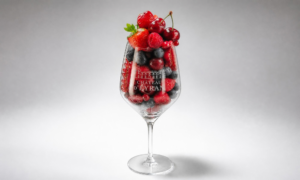
We find vegetal scents such as: green (herbaceous, fern, blackcurrant bud), dry (hay, tobacco), mushrooms (fresh yeast, truffle, cep, forest floor, humus), woody (green wood, oak, sandalwood), or balsamic (resin). There are also fruit aromas: citrus (lemon, grapefruit), white fruits (apple, pear, quince, pineapple, banana), stone fruits (cherry, plum, apricot, peach), red fruits or berries (blackcurrant, raspberry, blackberry), cooked or preserved fruits, and dried fruits and nuts (prune, fig, walnut). Finally, there are floral aromas (violet, rose, lily of the valley), vegetable scents (pepper), confectionery notes (honey, vanilla, butter, licorice), and roasted scents (toasted bread, roasted coffee, cocoa, smoked, grilled pepper, leather, tar).
What is fascinating about wine is that everything evolves and changes, from one vintage to another, from one year of aging to the next. The easily detectable scent of acacia in young Chenin Blanc wines from Anjou will give way over time to grapefruit, likely to quince, and certainly to beeswax if the aging is longer. As for the violet scent (beta-ionone), it comes from the degradation of carotene stored in the vine. It will be more perceptible in white wines from Condrieu or Savoie if the vintage is beautiful and warm. But the violet will charm us in some Syrah wines, or briefly, during the youthful period of a Vosne-Romanée.
Describing the aromas of wine is also an act of poetry…
– Brigitte Savigneux, according to an article by JD Vincent