When autumn settles in the Bordeaux vineyards and the grape harvest nears its end, a local tradition emerges: that of bourru. This ephemeral and original wine is a curiosity to discover for wine and terroir enthusiasts.
But what is bourru? Why does this tradition persist in Bordeaux? And where does its name come from? Let’s delve into the history and specifics of this « almost » wine together.
What is it?
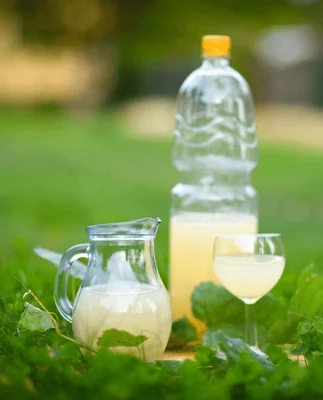
Bourru is a partially fermented wine, often white or rosé, made just after the grape harvest. At this stage, the must begins to ferment, but the sugar has not yet been fully transformed into alcohol.
The uniqueness of bourru comes from its « unfinished » character: somewhere between grape juice and wine. Its short lifespan and ephemeral nature make it a rare and unique product, available only for a brief period after the harvest.
What are its origins?
The tradition of bourru is deeply rooted in the Bordeaux vineyard and more broadly in southwestern France. The term « bourru » means « raw, » « rude, » or « unrefined, » perfectly describing this young and abrupt wine.
Historically, bourru was consumed by winemakers to celebrate the end of the harvest, a moment of conviviality after the intense effort of the grape-picking. It was also an opportunity to savor the first juice of the year, a preview of the upcoming vintage. Bourru is a festive wine, often shared during impromptu meals in the cellars or vineyards, accompanied by roasted chestnuts, another autumn staple.
In Sainte-Foy-la-Grande, the Lou Festa Bourru, held in mid-September, celebrates this tradition.
Why taste bourru?
Bourru is not just a tradition; it is also a living testament to the local wine culture and history. It evokes a time when wine preservation methods were limited, and every step of the winemaking process was celebrated.
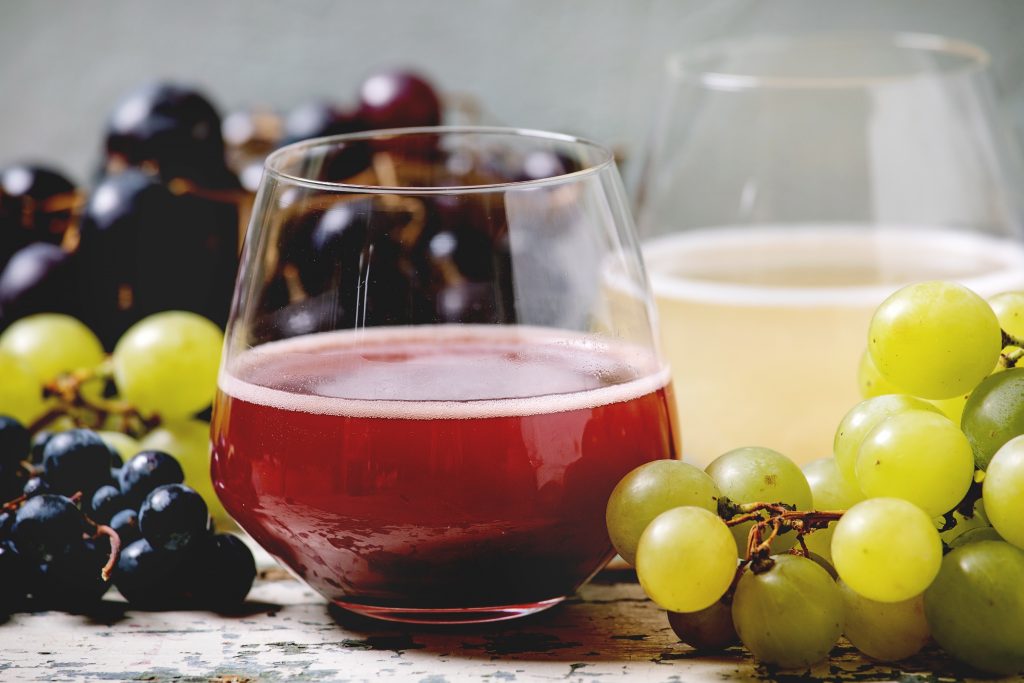
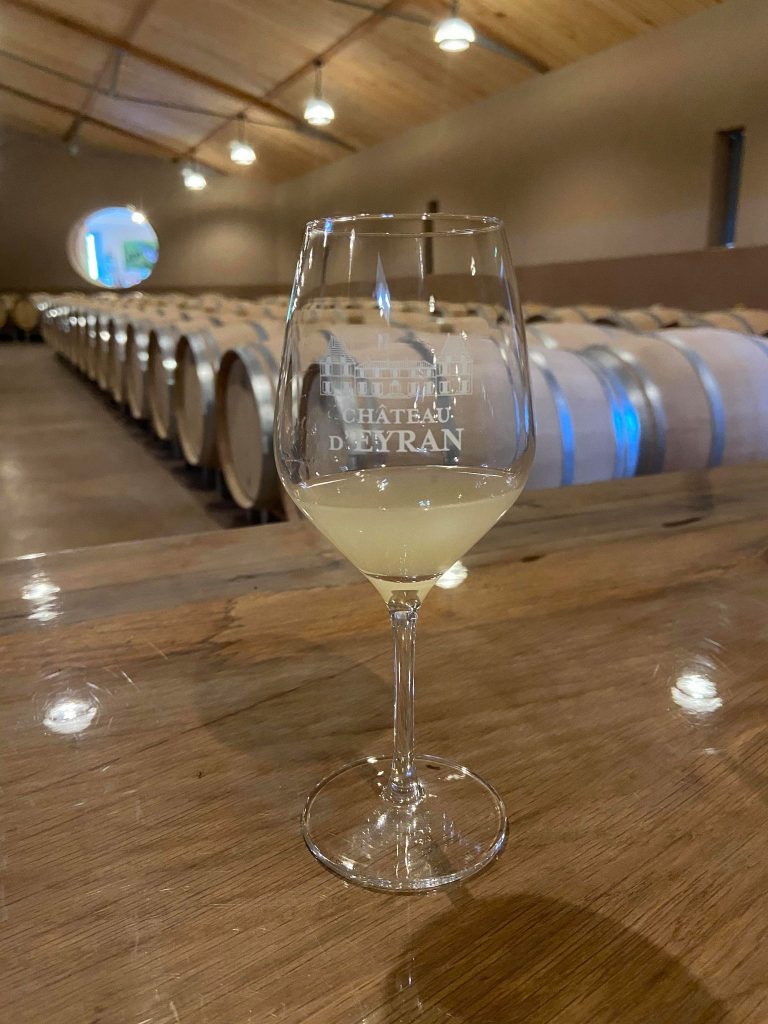
This wine offers a unique tasting experience. Unlike finished wines, it retains some of its natural sugars and yeasts, providing a distinct sensation and texture. It allows you to directly taste the ongoing fermentation. Slightly sparkling, cloudy in the glass, it presents fruity flavors with aromas of fresh grapes, citrus notes, floral hints, a slight earthiness, and a pleasant sweetness.
How to enjoy it?
Although it is not a product of high gastronomy, it has its fans in France and deserves to be known. To appreciate it, nothing is better than consuming it very fresh, simply paired with rustic foods like fresh bread, cheese, or roasted chestnuts.
However, be careful not to wait too long to taste it, as this living wine does not keep well and needs to be consumed quickly. You may even notice that the bottles are sealed with a perforated cap rather than a cork due to the gases produced by fermentation, which puts the container under pressure. So, be sure not to store the bottle on its side!
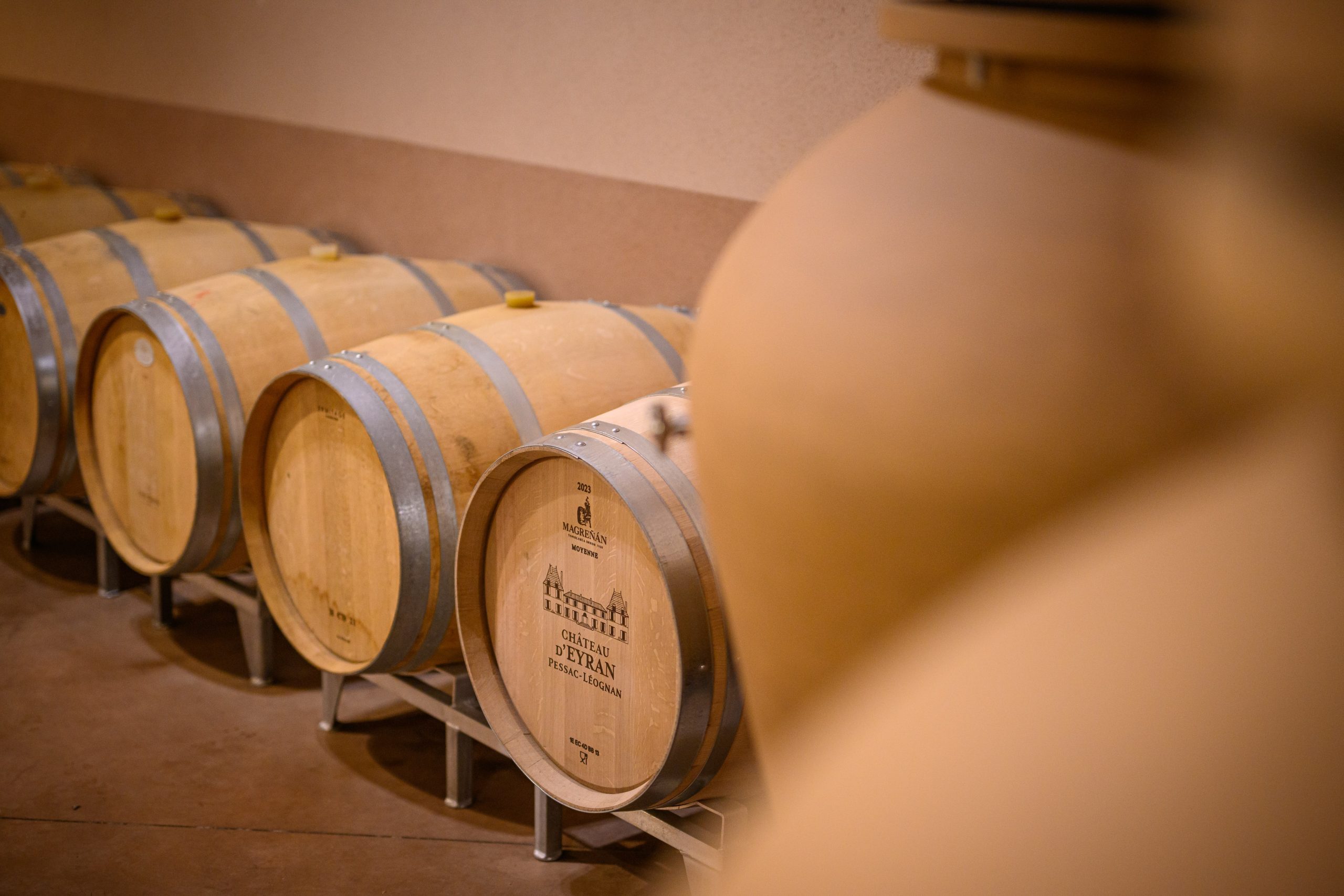
Ultimately, it’s important to highlight that bourru is often a local, almost confidential experience. Rarely found outside the producing wine regions, it is almost never exported, making it a truly unique and seasonal wine to try during your visit to our beautiful region.
Did you enjoy this article? Discover our latest news on our blog.