
In regions where wine reigns, May is not just a festival of flowers and buds, but also a dreaded time. Why? Because of the Saints of Ice. This old custom, rooted in antiquity, continues to be observed to protect the vines from unpredictable weather.
The meaning
The Saints of Ice represent a dreaded time of year during the early days of spring. Traditionally, these days are associated with the potential for lower temperatures that could damage crops, especially those particularly sensitive to frost, like vineyards. To counter this threat, winemakers often take extra precautions to protect their harvests during this critical period. However, this « belief » is much older than it seems.
The origin
The Saints of Ice, observed on May 11, 12, and 13, have deep roots in the history of ancient Rome. Originally, these dates were marked by celebrations in honor of the goddess Flora, protector of the blooming of grains and fruit trees, symbolizing the arrival of spring and the beginning of agricultural work.
Later, the spring festivities were often associated with religious rituals by farmers. These celebrations paid homage to Roman agricultural deities such as Ceres, the goddess of harvests, and Bacchus, the god of wine, symbolizing the fertility of the land and the abundance of crops.
As Christianity spread throughout Europe, these rites were replaced by the veneration of three Catholic saints: Saint Mamert of Vienne, Saint Pancras of Rome, and Saint Servatius of Tongres. They were designated as protectors of crops against the last incursions of winter.
Late frosts
The frosty nights of May are often the result of capricious spring weather. Indeed, during the first half of May, it is not uncommon to observe cold air descents over France. When these periods coincide with anticyclonic conditions, nighttime temperatures can drop sharply, leading to frosts. This phenomenon is particularly surprising because the days can feel mild due to sunshine and clear skies, especially at night.
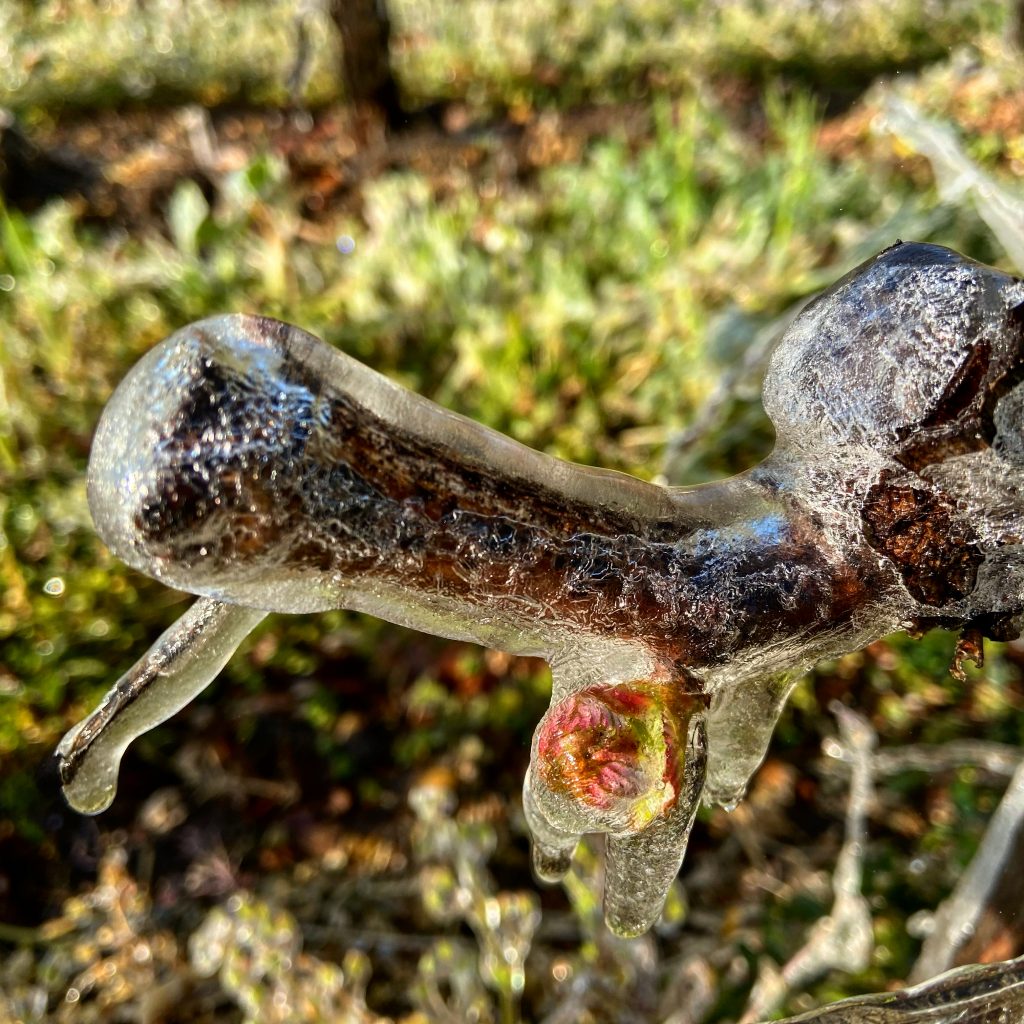
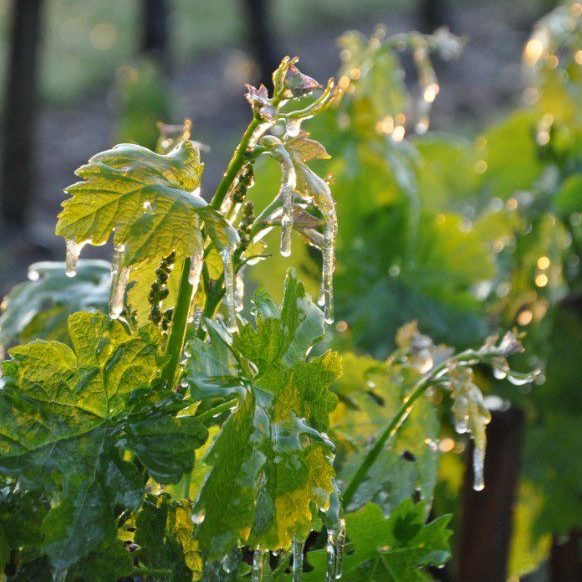
Certainly, the vine is a resilient plant, but these periods often coincide with the first signs of climate warming and plant flowering. At this critical stage, once flowers or leaves have emerged, the vine becomes very fragile, and the consequences can be disastrous.
In 2022, at Château d’Eyran, the frosts were particularly severe, sometimes reaching as low as -9°C. This situation highlights the vulnerability of crops even during the transitional months between spring and summer.
The Saints of Ice serve as a symbolic marker for farmers and gardeners, encouraging them to protect their crops against these hostile and persistent weather conditions.
Climate Evolution
With climate change, weather data shows a rising trend in temperatures and a decrease in annual frosts, but these frosts remain feared and potentially destructive.
This evolution could potentially affect the tradition of the Saints of Ice in the long term (which may not necessarily be a bad thing). Despite the decreasing frequency of late frosts, winemakers remain vigilant, aware that nature can always hold surprises. Thus, the period of the Saints of Ice retains its importance in the agricultural calendar, symbolizing the delicate transition between spring and summer.
Crop Protection
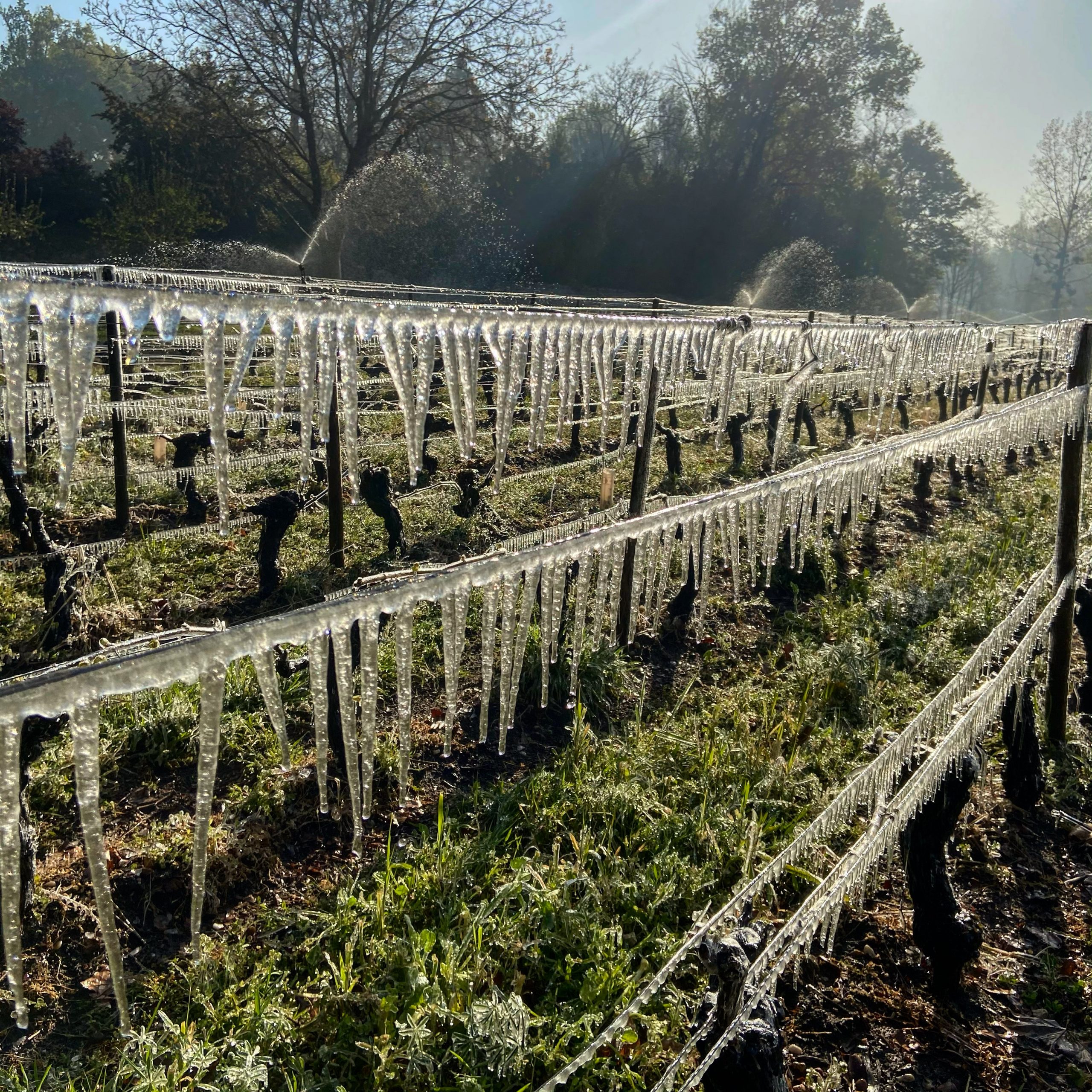
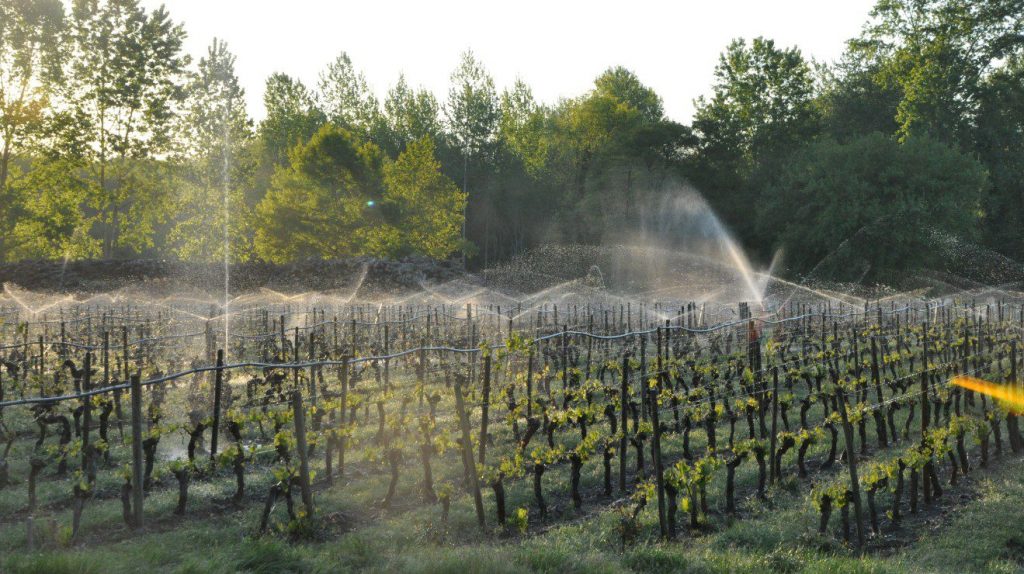
In the past, people invoked the intercession of the Saints to ward off late frosts. They implemented various measures, such as spraying water to create a protective layer of ice around the buds or circulating warm air to counteract freezing temperatures. These traditional practices continue, as evidenced by the use of these same techniques today at Château d’Eyran during frost periods.
Even though the religious connotation has diminished, the period of the Saints of Ice remains a crucial marker for winemakers, who closely monitor weather forecasts and take preventive measures to protect their vines and save their harvests.
In conclusion
The Ice Saints are not just an ancient superstition; they represent a tradition deeply rooted in European agricultural history. For vineyard owners, they symbolize the vulnerability of crops to the whims of weather and highlight the importance of remaining vigilant, even when nature seems to be on our side. As the patron saints watch over the vines, the men and women who work the land continue this tradition, uniting past and present in a shared commitment to protection and respect for nature.